








The Art of Dressing Well
How to Choose the Right Suit
A definitive guide for the discerning modern gentleman
A well-chosen suit is more than clothing — it is a statement of character, confidence, and taste. Whether you are stepping into a boardroom, attending a black-tie gala, or celebrating a milestone, the right suit elevates every moment. This guide walks you through the six essential pillars of suit selection, so you invest wisely and dress impeccably.

01 — Budget: Invest in Quality
Your budget sets the foundation for every decision that follows. Think of a suit not as an expense, but as a long-term investment in your personal brand.
| Tier | Price Range | What to Expect |
|---|---|---|
| Entry Level | $200 – $500 | Off-the-rack; suitable for occasional wear |
| Mid-Range | $500 – $1,500 | Better fabrics, half or full canvas, tailoring options |
| Luxury / Bespoke | $1,500+ | Full canvas, premium wool, made-to-measure perfection |
💡 Pro Tip: A single exceptional suit worn repeatedly outperforms a wardrobe of mediocre ones. Prioritize construction quality over quantity.
02 — Color: The Language of Elegance
Color communicates before you speak a single word. Choose wisely based on your complexion, wardrobe versatility, and the message you wish to convey.
| Color | Best For | Character |
|---|---|---|
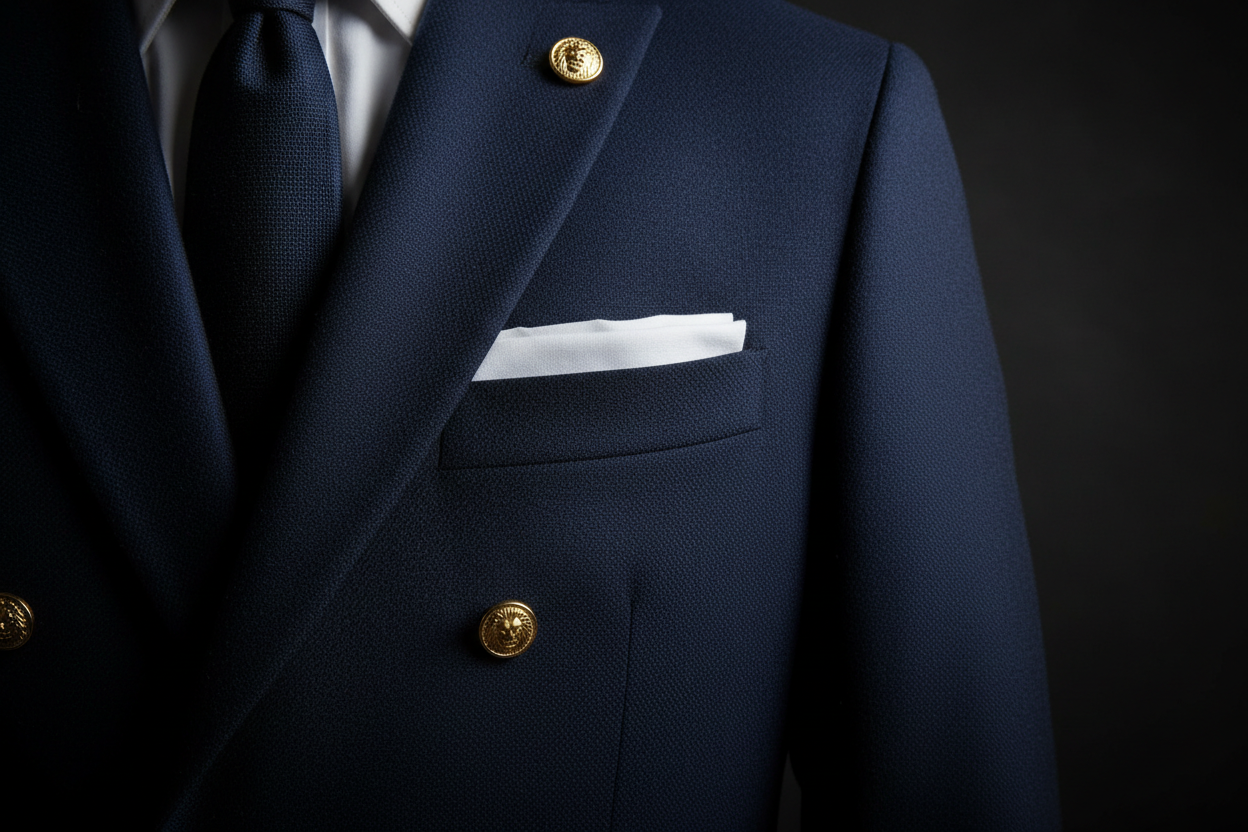
| Navy Blue | All occasions | The most versatile choice. Universally flattering, effortlessly authoritative. |
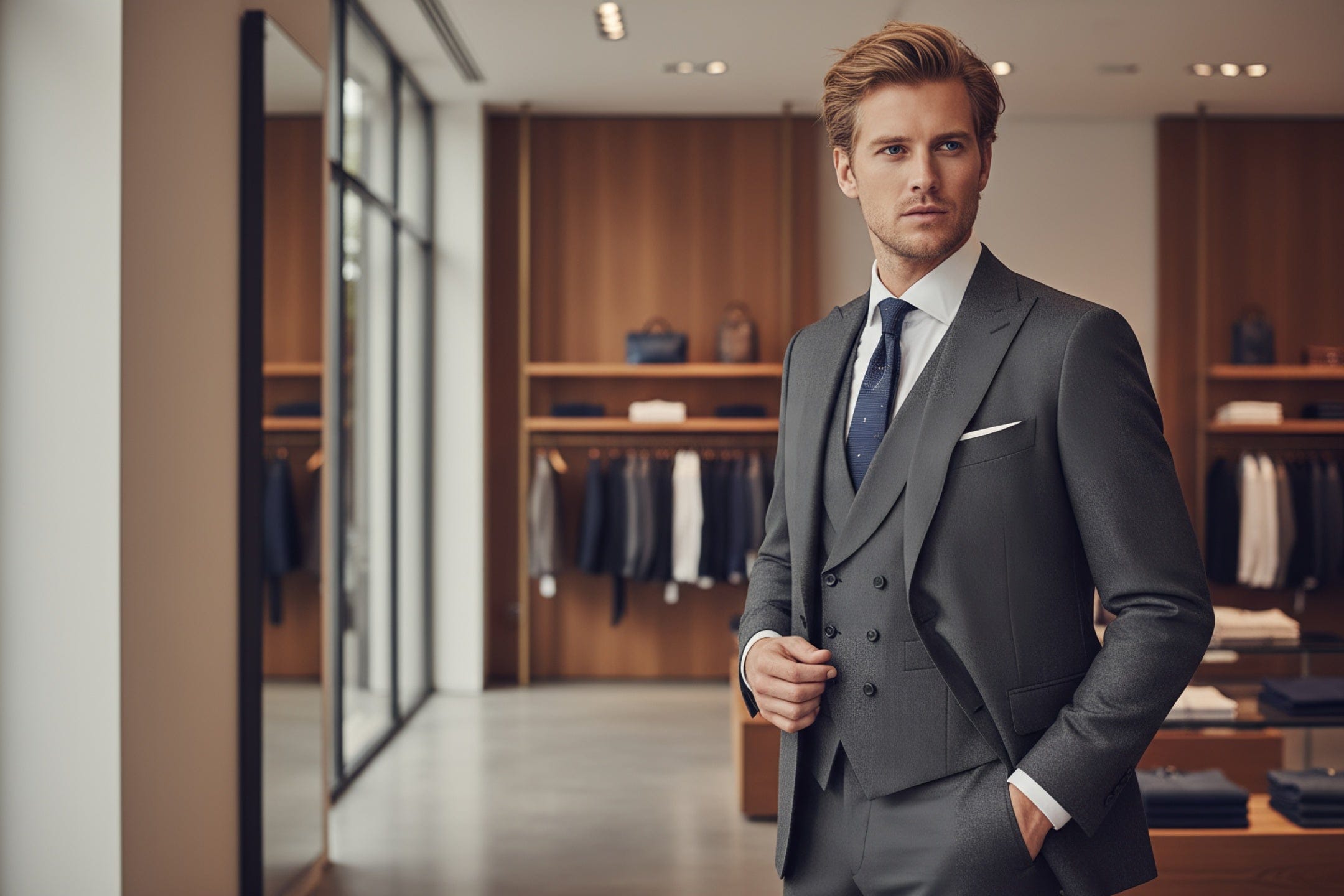
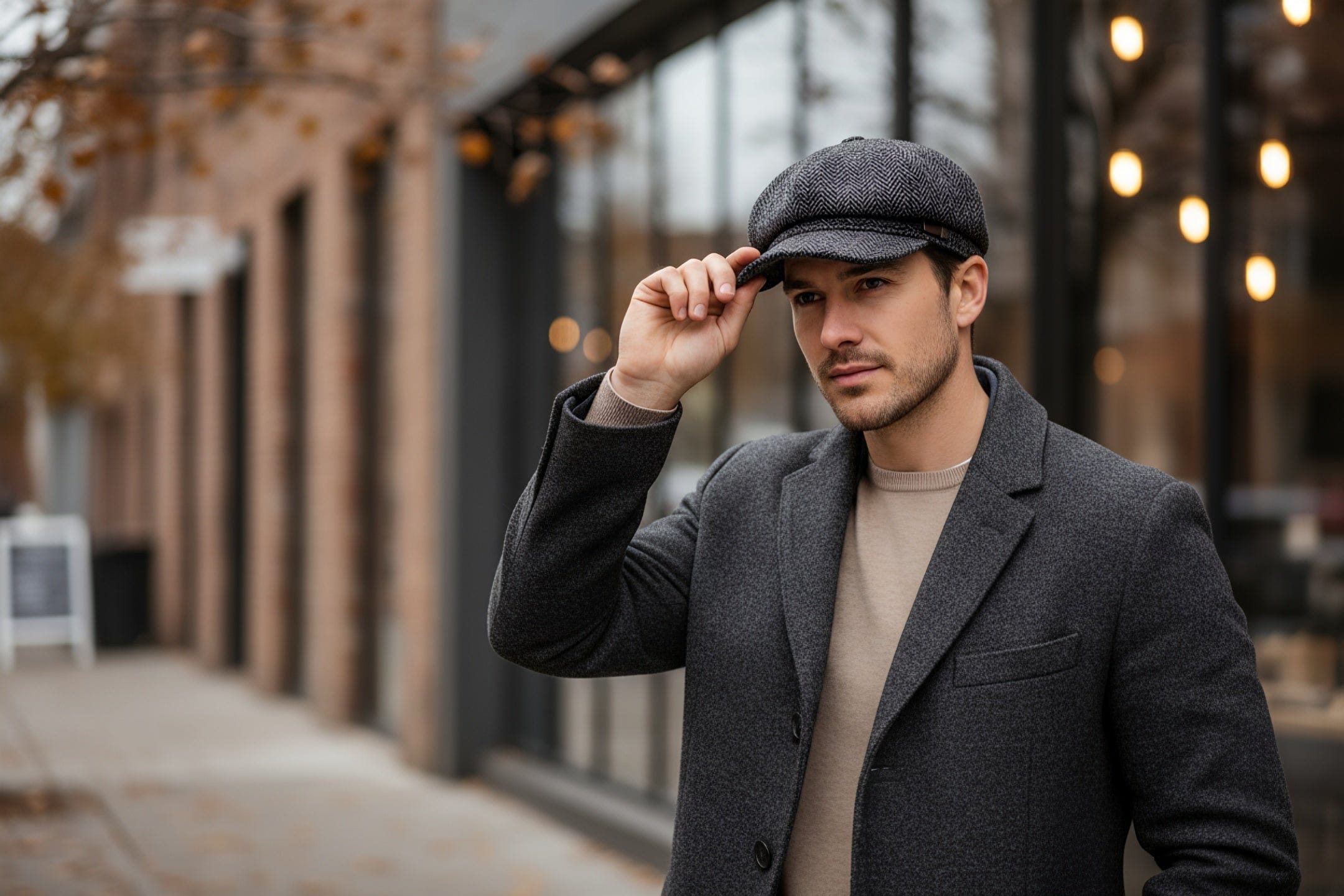
| Charcoal Grey | Business, formal | The boardroom staple. Serious, polished, and endlessly adaptable. |
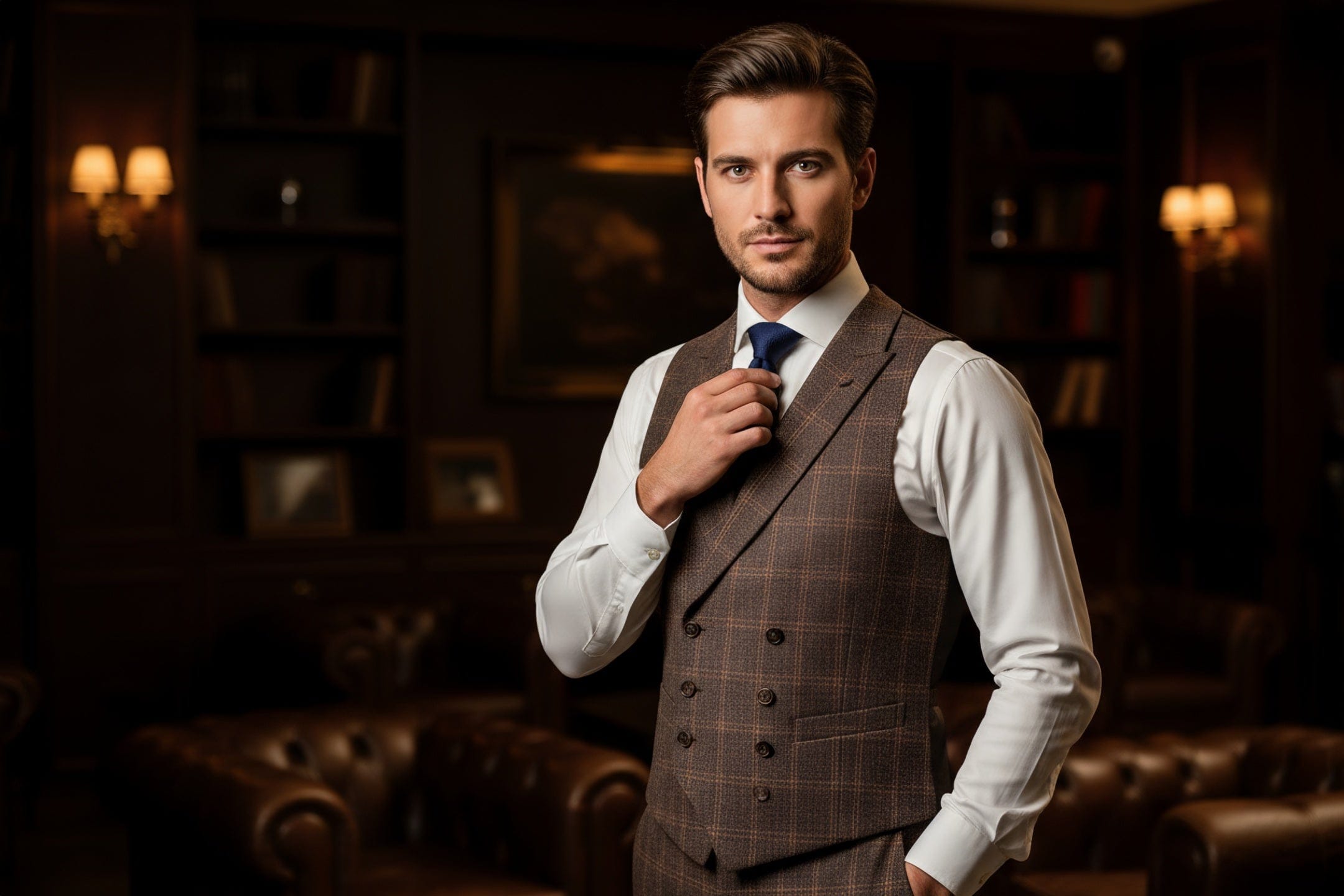
| Warm Brown | Daytime, creative | Sophisticated and approachable. Ideal for relaxed professional settings. |
| Light Grey / Cream | Summer, weddings | Fresh and refined. Perfect for outdoor and warm-weather events. |
| Black | Black-tie only | Reserved for formal evenings. Avoid as a daily business suit. |
💡 Pro Tip: Start your suit wardrobe with navy, then charcoal. These two colors cover 90% of all occasions and pair with virtually any shirt and tie combination.
03 — Occasion: Dress for the Moment
The occasion dictates the dress code. Wearing the wrong suit to the wrong event is a costly mistake — in both impression and investment.
| Occasion | Recommended Style |
|---|---|
| Business / Corporate | Charcoal or navy, two-button, single-breasted. White or light blue dress shirt. |
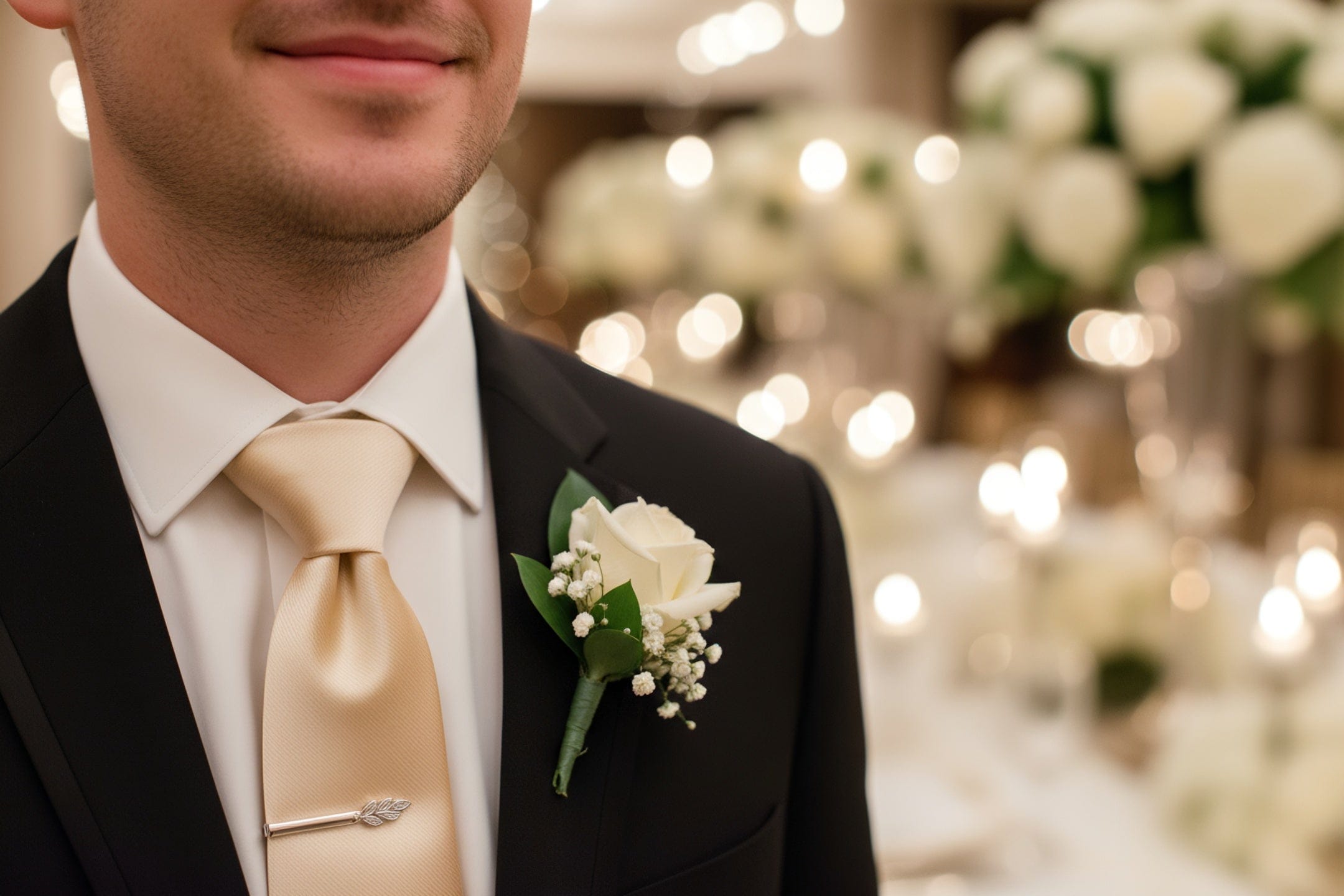
| Wedding (Guest) | Mid-grey or navy, subtle pattern acceptable. Avoid black unless specified. |
| Wedding (Groom) | Bespoke or made-to-measure in ivory, champagne, or deep navy. Invest accordingly. |
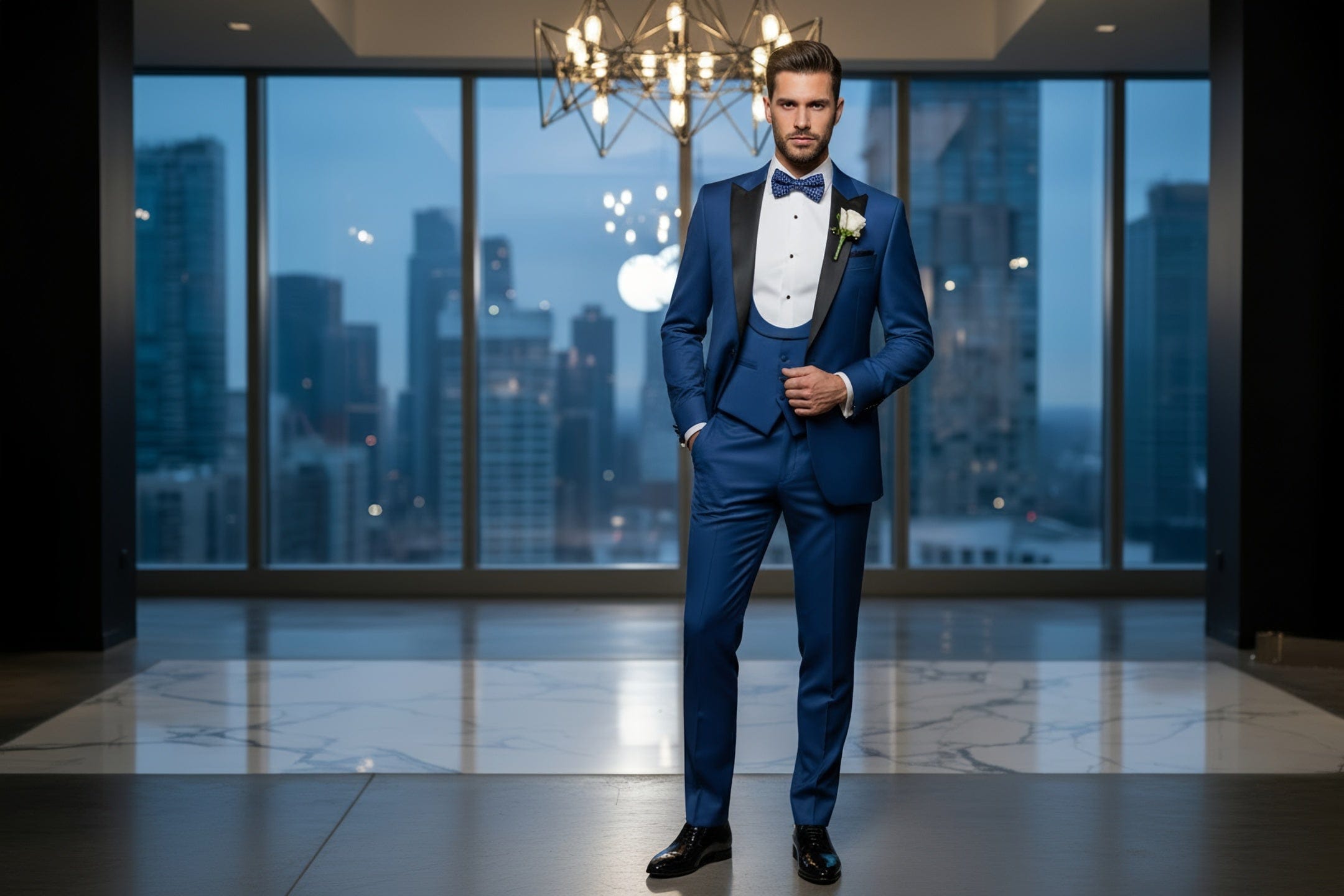
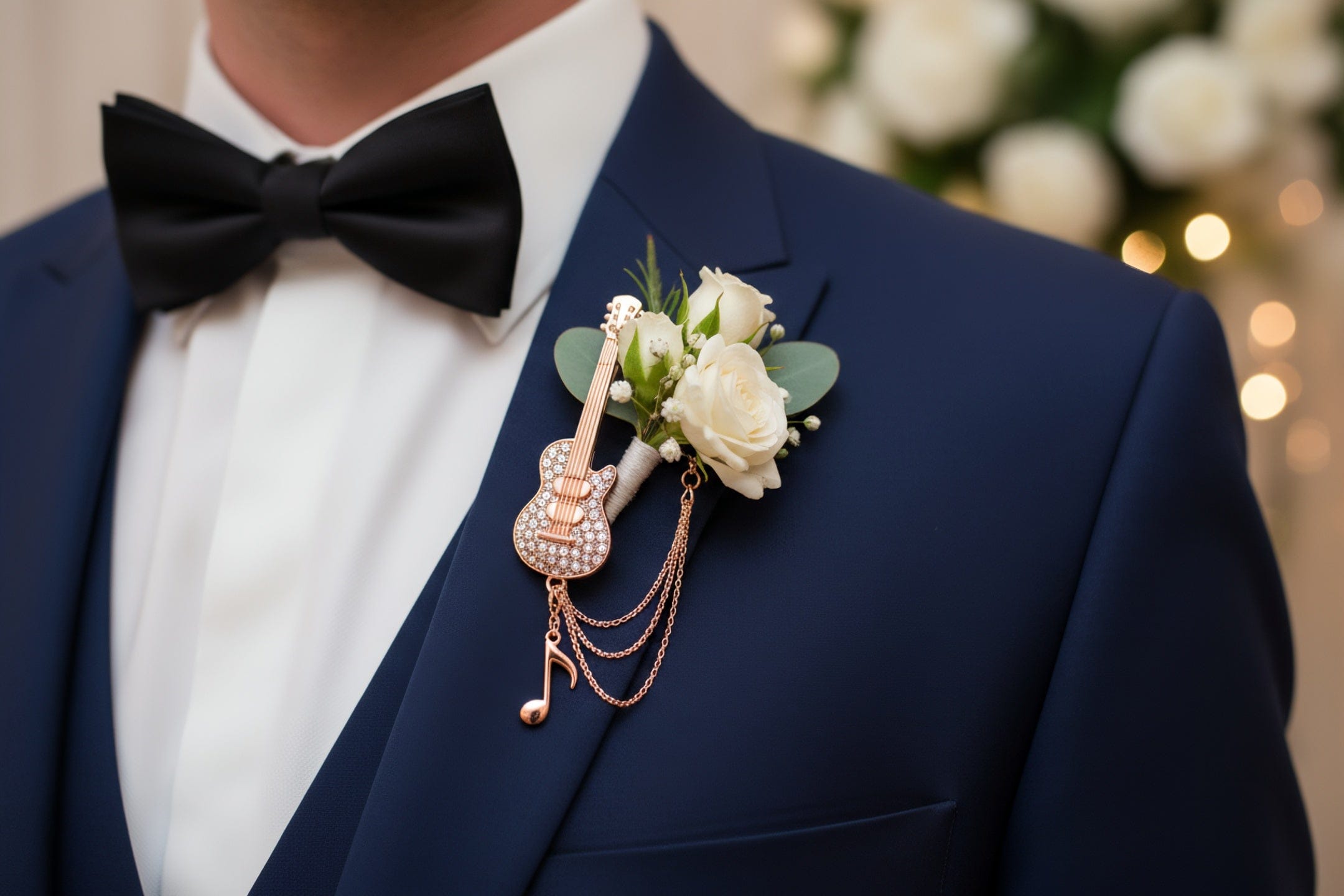
| Black-Tie Events | Classic tuxedo or midnight navy dinner suit with satin lapels. |
| Cocktail / Smart Casual | A well-fitted blazer with tailored trousers — suits need not always match. |
| Job Interview | Conservative navy or charcoal. Let your credentials speak; your suit should support, not distract. |

04 — Fabric: The Soul of the Suit
Fabric determines how a suit looks, feels, breathes, and ages. It is the single most important factor in long-term satisfaction.
| Fabric | Best Season | Character |
|---|---|---|
| Wool (Super 100s–150s) | Year-round | The gold standard. Breathable, durable, drapes beautifully. |
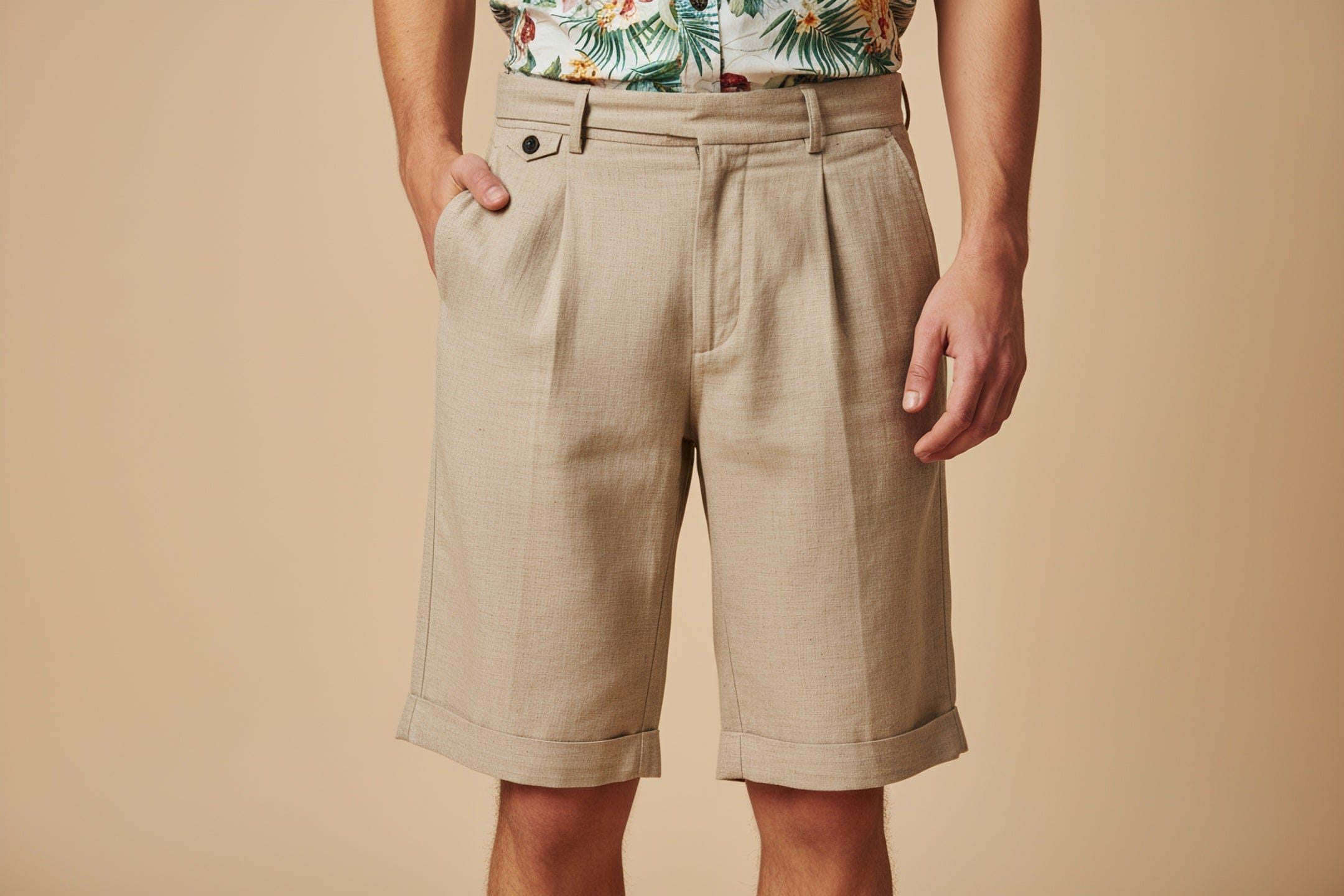
| Linen | Summer | Lightweight and breathable; embraces natural texture. |
| Cashmere Blend | Autumn / Winter | Exceptionally soft and luxurious; a true statement of refinement. |
| Cotton | Spring / Summer | Casual and comfortable; less formal but highly wearable. |
| Polyester Blend | Any | Wrinkle-resistant and affordable; lacks the prestige of natural fibers. |
💡 Pro Tip: For your first suit, choose a mid-weight wool (Super 110s–130s). It performs beautifully across seasons and holds its shape through years of wear.

05 — Cut: The Architecture of Style
The cut of a suit defines its silhouette and personality. No single cut is universally superior — the right choice depends on your body type and aesthetic preference.
| Cut | Best For | Notes |
|---|---|---|
| Slim Fit | Lean, athletic builds | Close to the body. Modern and sharp. Avoid if you need freedom of movement. |
| Classic Fit | Most body types | Timeless and comfortable. The safe, enduring choice for business and formal wear. |
| Relaxed / Oversized | Editorial, fashion-forward | Contemporary and bold. Trending in luxury fashion. Requires confident styling. |
Regardless of cut, the shoulder seam must sit precisely at the edge of your shoulder — this is non-negotiable and cannot be altered without significant cost.

06 — Size & Fit: Where Excellence Lives
The finest fabric and most beautiful color mean nothing if the suit does not fit. Fit is the single most transformative element of a well-dressed man.
| Measurement | What to Check |
|---|---|
| Chest | Jacket closes without pulling. You should be able to slip a flat hand inside. |
| Shoulders | Seam sits exactly at the shoulder's edge — no overhang, no pulling inward. |
| Jacket Length | Hem covers your seat; knuckles graze the bottom when arms hang naturally. |
| Sleeve Length | ½ inch of shirt cuff should be visible below the jacket sleeve. |
| Trouser Break | A slight half-break at the shoe is the modern standard. No pooling. |
| Trouser Waist | Should sit comfortably without a belt — the waistband is the anchor. |
✦ The Golden Rule: Always budget for alterations. Even a $3,000 suit looks mediocre if it doesn't fit. A $500 suit tailored to perfection will always outperform it.

The Final Word
Choosing the right suit is an act of self-knowledge. When budget, color, occasion, fabric, cut, and fit align — the result is not merely clothing. It is armor. It is identity. It is the quiet confidence of a man who knows exactly who he is.
Dress with intention. Wear with confidence.