








In men's tailoring, true mastery lives in the subtle details. You can wear a thousand-dollar bespoke suit, but pair it with mismatched leathers or clashing hardware, and the entire silhouette unravels. Here is your definitive gentleman's handbook on how to match belts and shoes: the foundational rules, a comprehensive visual chart, and the rare exceptions where rules are meant to be broken.

Article Navigation
The 4 Golden Rules of Leather & Hardware Matching
Rule 1: Color Harmony (The Non-Negotiable Standard)
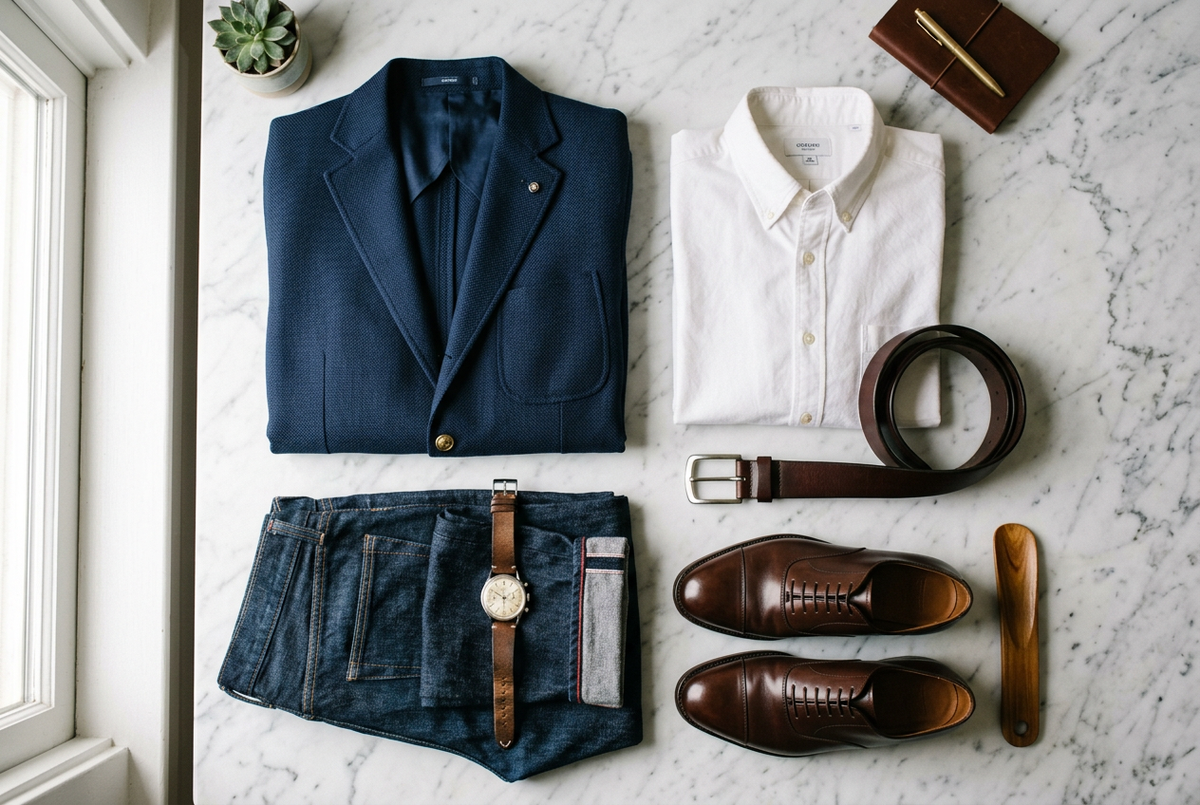
Black shoes demand a black belt. Brown shoes demand a brown belt. While black is absolute, brown exists across a spectrum (from light tan to dark espresso). Your belt and shoes do not have to come from the exact same hide of leather, but they must exist in the same color family and temperature.

Rule 2: Align the Texture and Sheen
Matching is more than just pigment—it is about finish and tactile grain:
- Polished Calfskin: A polished dress oxford requires a smooth, gently lustrous dress belt.
- Suede with Suede: If you are wearing chocolate suede loafers, wear a matching chocolate suede belt. Suede absorbs light, creating a relaxed yet impeccably intentional vibe.
- Pebble Grain: Heavy scotch-grain or pebbled shoes pair best with a textured leather belt.

Rule 3: Harmonize Your Hardware & Metals
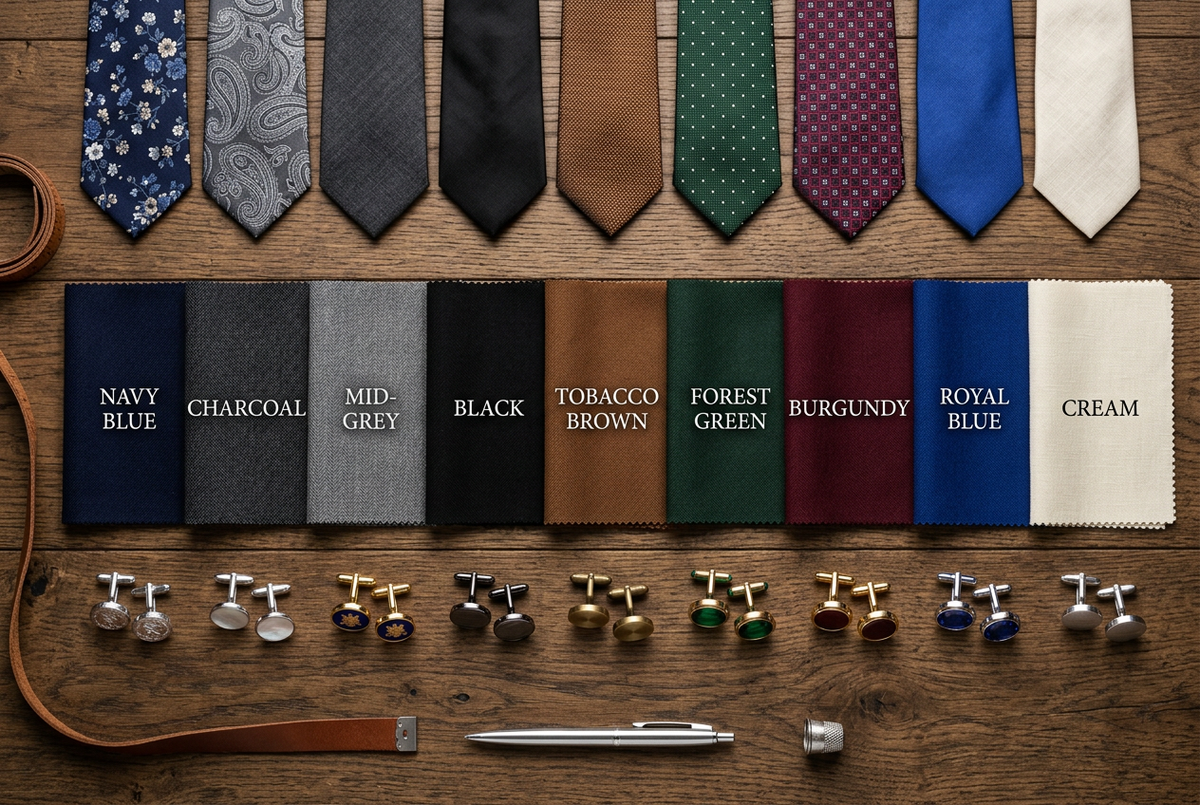
Your belt buckle is a metal anchor. To create seamless visual cohesion, ensure the metal of your belt buckle echoes your other accessories:
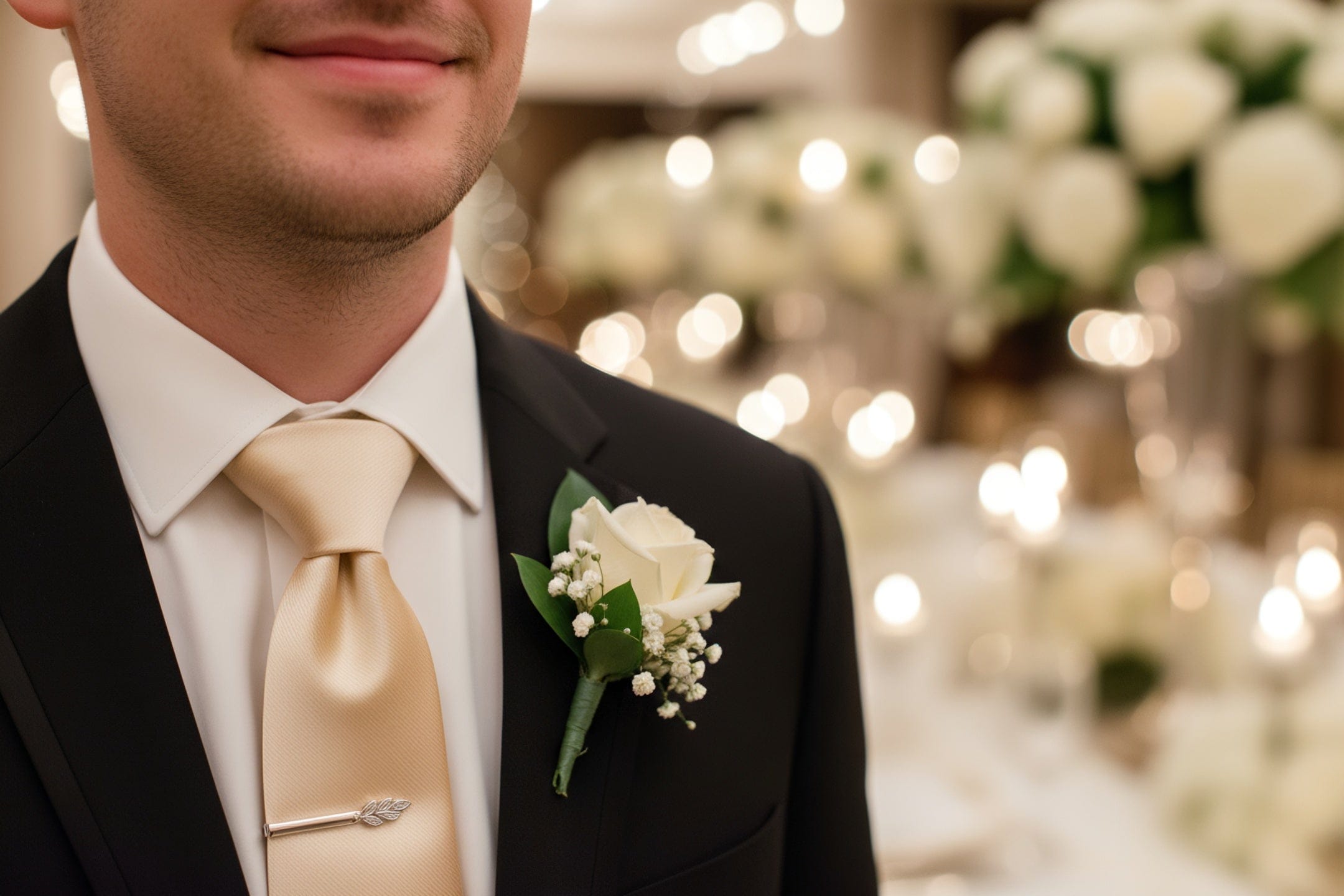
- Silver or Chrome buckle = Stainless steel or white gold watch, silver cufflinks, tie bar.
- Brass or Gold buckle = Yellow gold or bronze watch, warm brass cufflinks, gold signet ring.

Rule 4: Dress Belt Anatomy (Width & Buckle)
A suit belt must measure between 1.25 inches (3.0 cm) and 1.35 inches (3.5 cm) in width. Anything wider belongs with raw denim. The buckle must be a sleek, understated frame buckle with zero logos or heavy plate hardware.
The Suit, Shoe & Belt Color Matching Chart
Bookmark this reference matrix before getting dressed for your next wedding, gala, or executive presentation:
| Suit Color | Recommended Shoe Colors | Matching Belt Required |
|---|---|---|
| Navy Blue Suit | Dark Brown, Cognac, Oxblood, Black | Match shoe: Dark Brown, Cognac, Oxblood, or Black belt |
| Charcoal Grey Suit | Black, Dark Chocolate, Deep Oxblood | Black or Dark Espresso belt (Avoid light tan) |
| Black Suit | Black Only | Black dress belt (or Beltless with braces) |
| Mid-Grey Suit | Cognac, Brown, Oxblood, Black | Match shoe shade exactly |
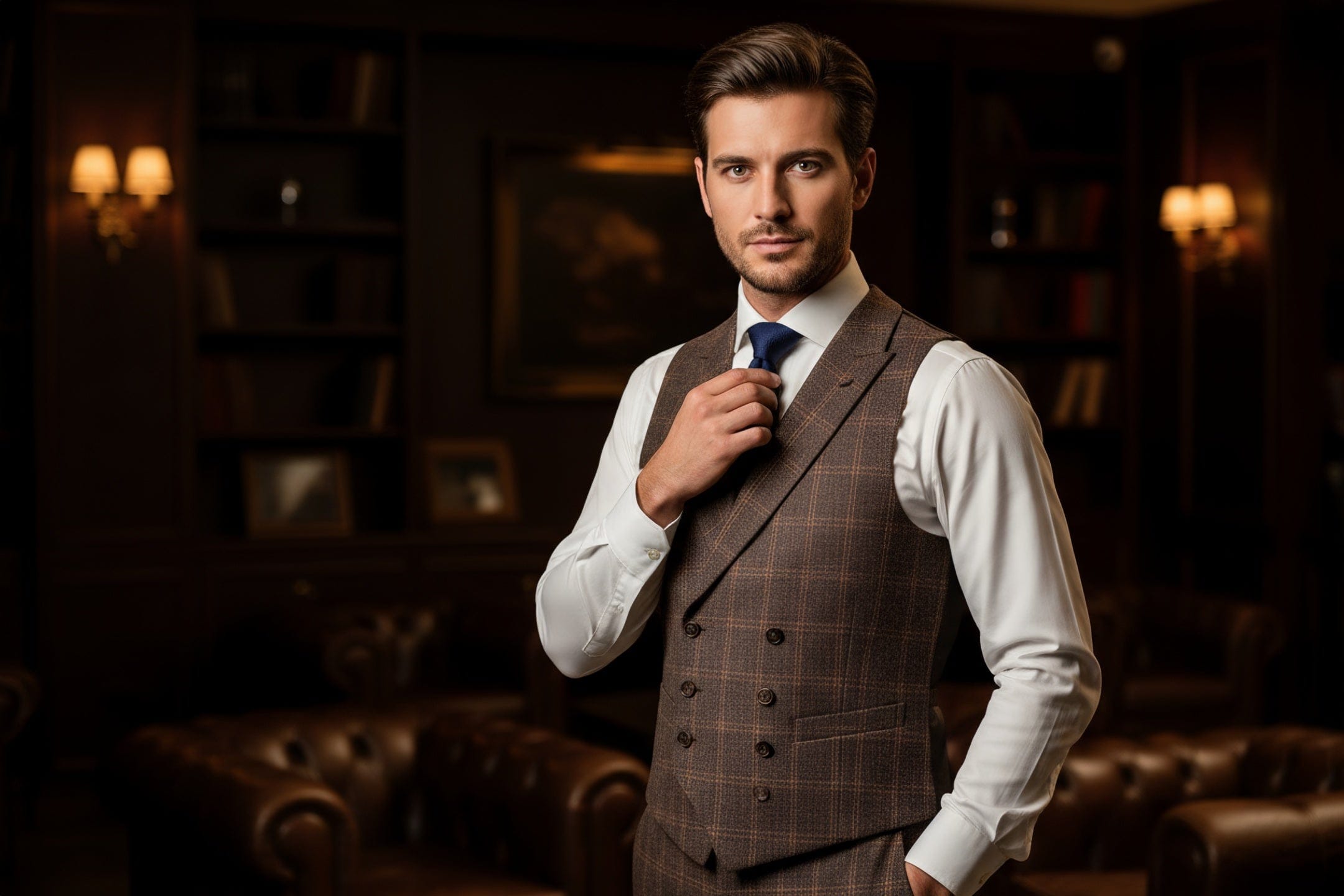
| Brown / Tweed Suit | Dark Brown, Suede Loafers, Cognac Brogues | Dark Brown or Textured Suede belt |
| Forest Green Suit | Burnished Cognac, Dark Brown, Oxblood | Cognac or Dark Brown leather dress belt |
Ceehuteey Men's Casual Leather Dress Shoes
Handcrafted premium leather cut for maximum comfort and sharp architectural lines.
The Sartorial Exceptions: When NOT to Match (or Wear a Belt)
While the matching rule is ironclad for standard business attire, advanced menswear connoisseurs know the three situations where rules are gracefully superseded:
1. Beltless Tailoring & Side Adjusters (The Sprezzatura Move)
In high-end bespoke and Savile Row tailoring, trousers frequently come without belt loops. Instead, they feature side adjusters (buckles on the hips) or are cut to sit naturally on the waist. Eliminating the horizontal line of a belt creates an unbroken vertical silhouette that makes you look taller, leaner, and undeniably sophisticated.

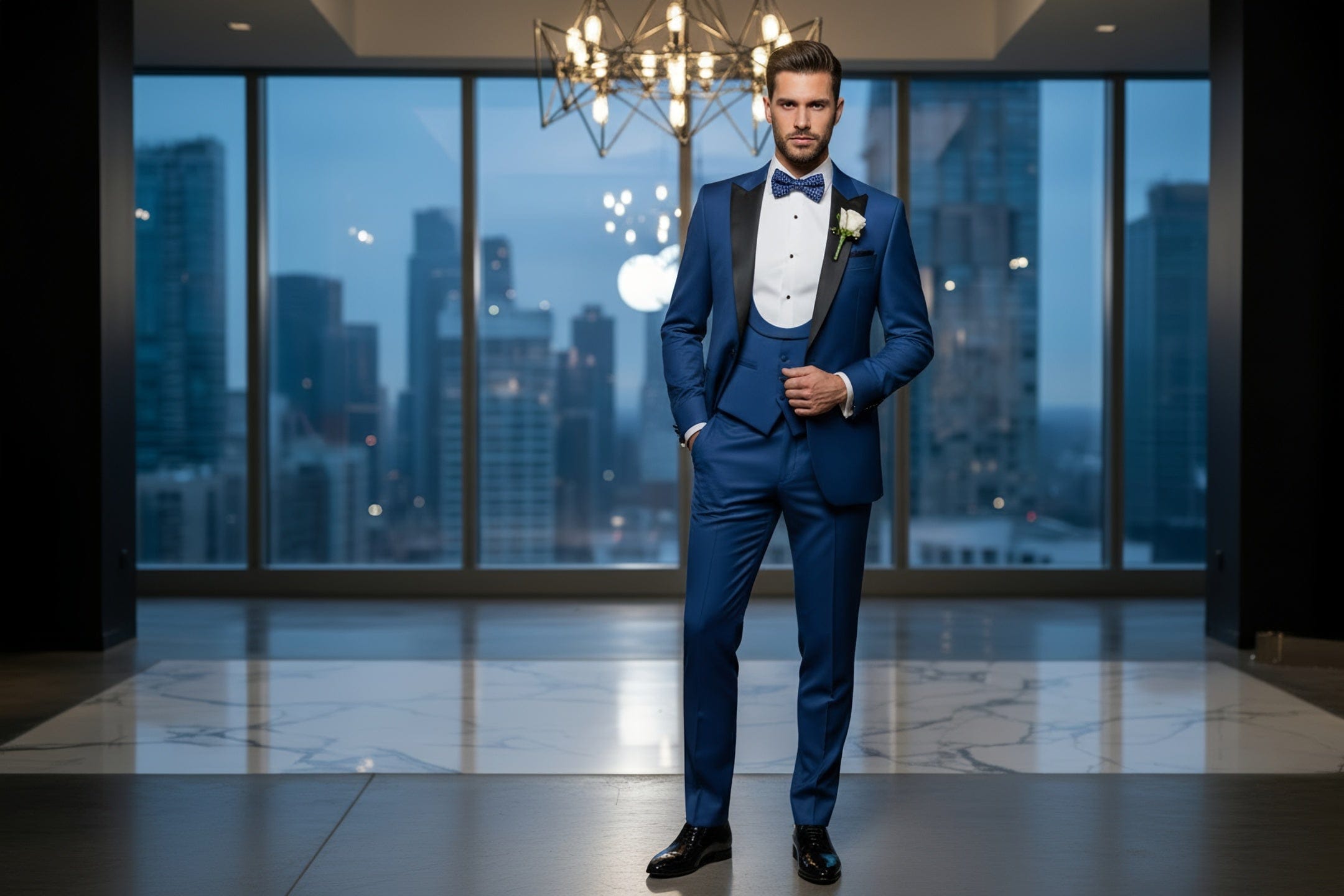
2. Never Wear a Belt with a Tuxedo
A tuxedo pant has no belt loops for a reason. Wearing a belt with evening formalwear ruins the satin waistband and is considered a severe formal faux pas. Wear silk braces (suspenders) hidden beneath your waistcoat or cummerbund.
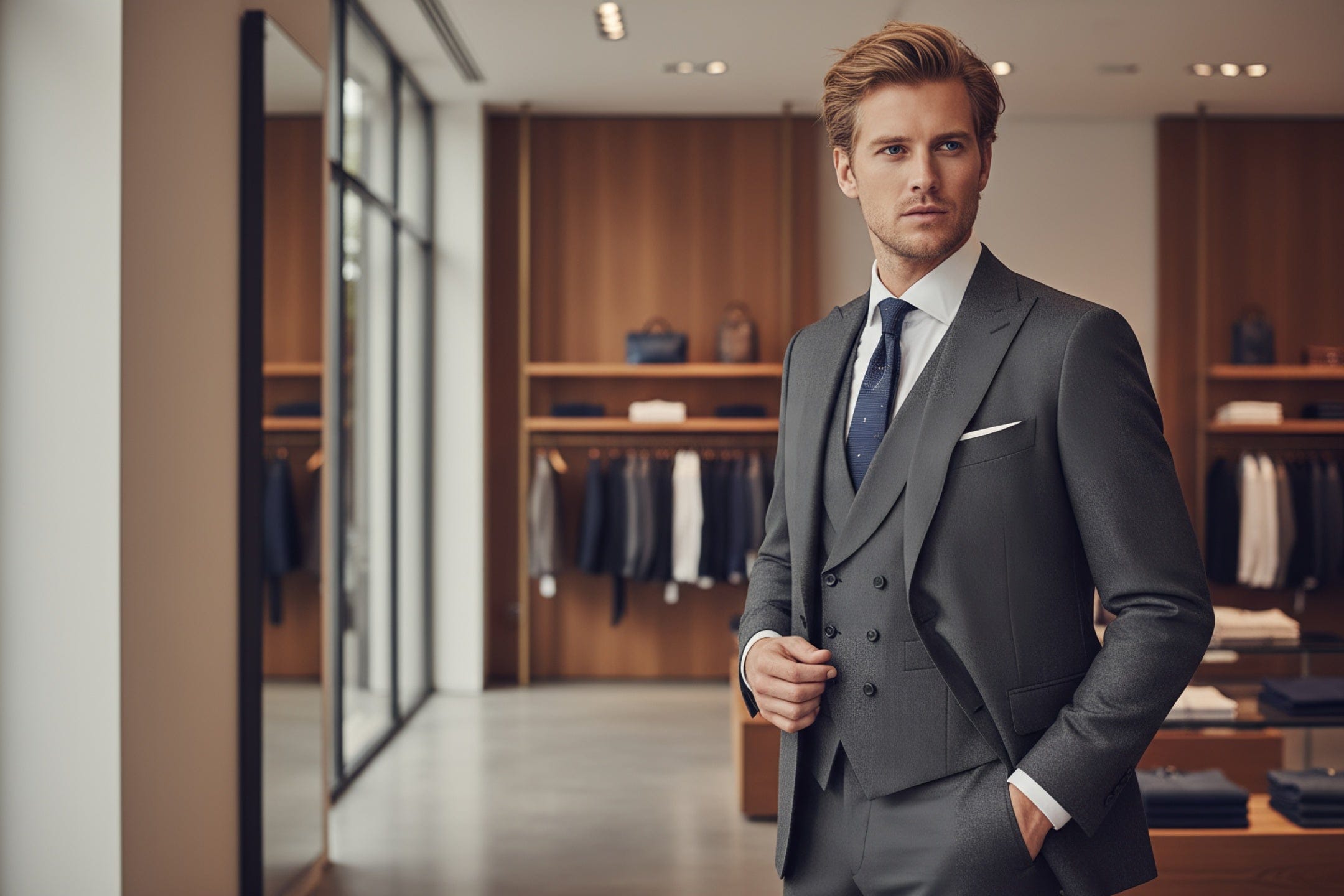
3. Three-Piece Suits: The Vest Factor
When wearing a three-piece suit like our Herringbone 3-Piece Suit, a bulky belt buckle creates an unsightly protrusion under the hem of the vest. Opt for suspenders or fitted waistbands to keep the front completely flat.