





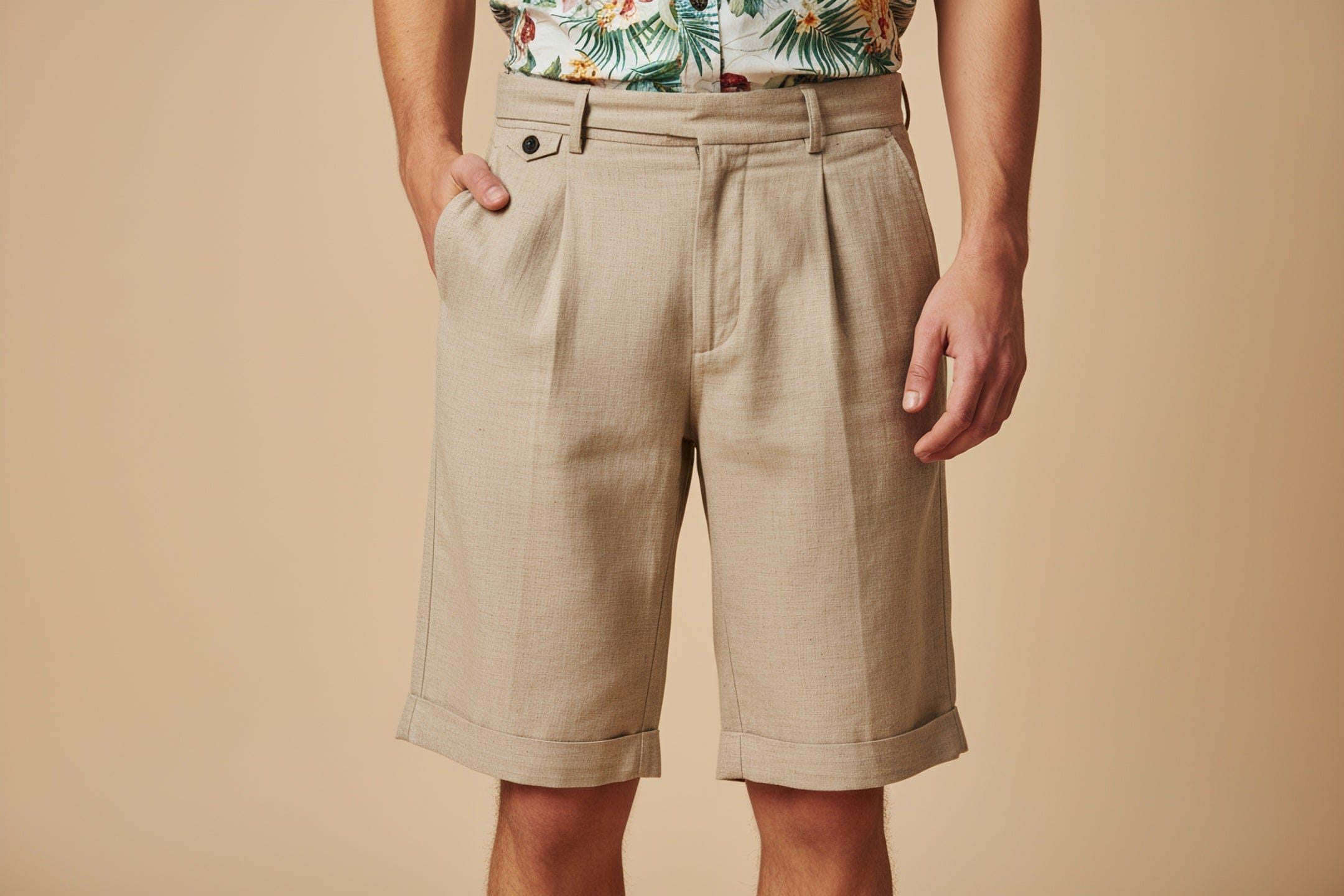
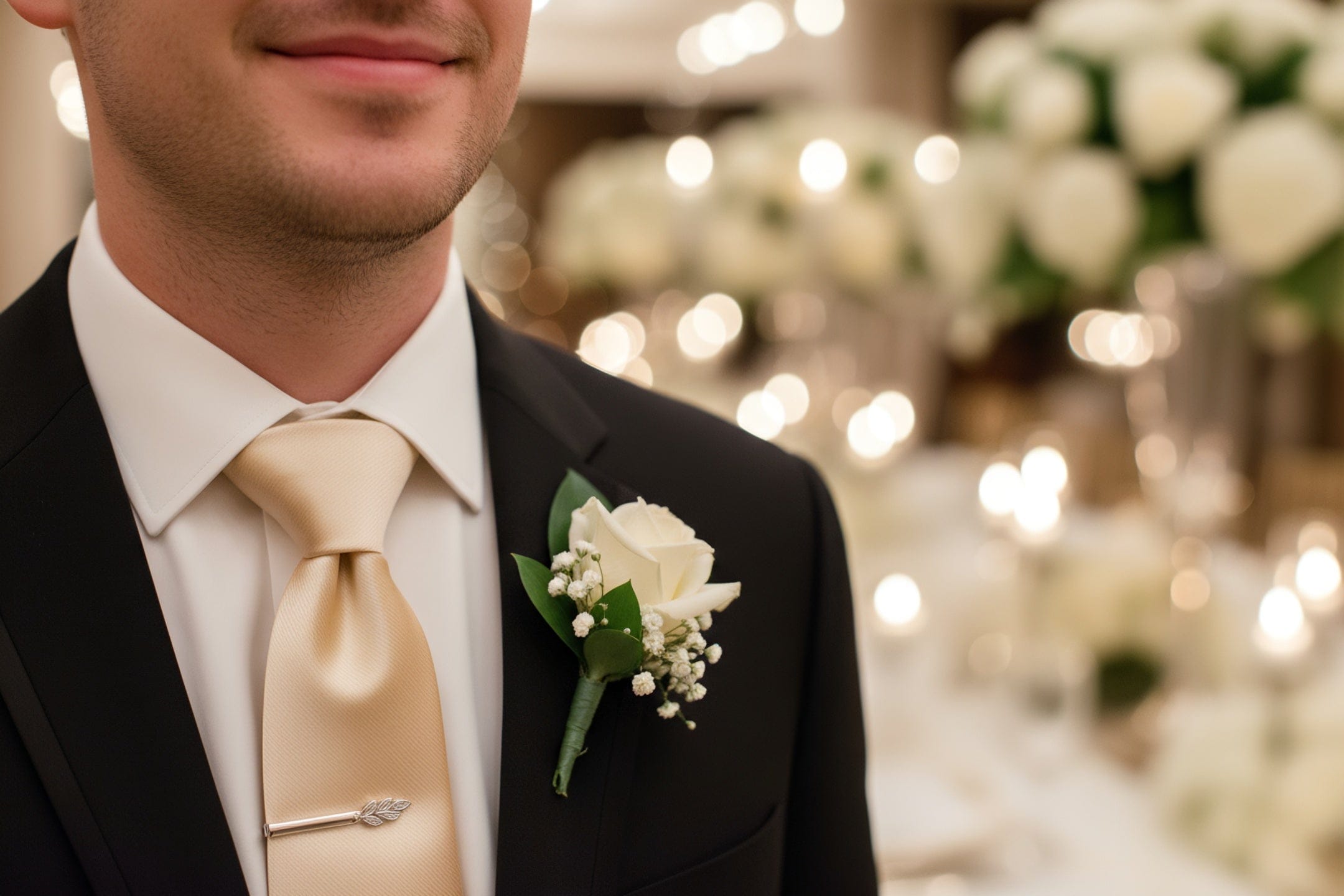

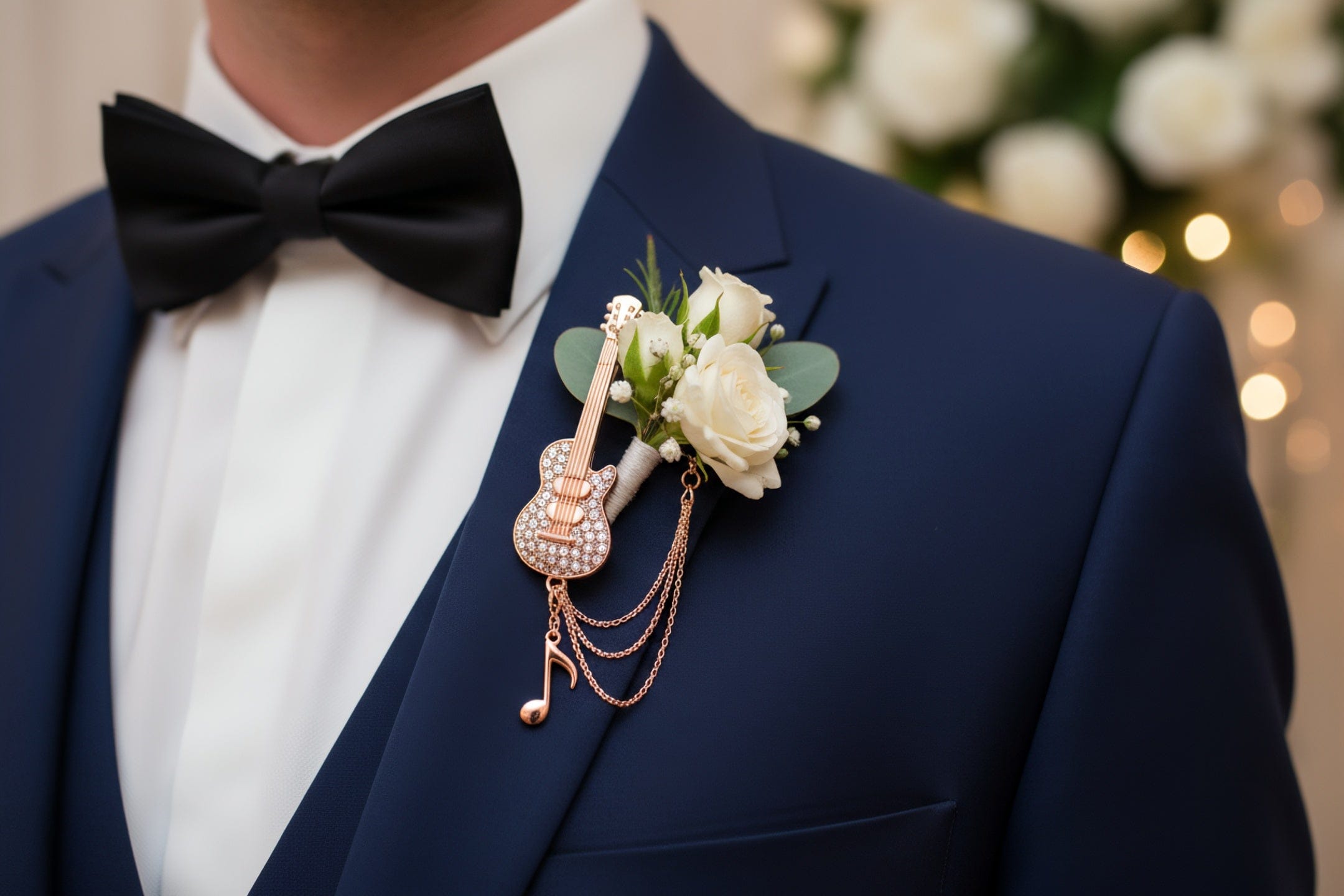



True style is never loud, ostentatious, or at the mercy of fleeting trends. It is an aura of quiet confidence, an uncompromising appreciation for craft, and a deep understanding of self.
When a gentleman enters a room wearing an impeccably tailored suit, he does not demand attention—he commands respect. But what truly defines a man of refined taste, and how do you translate timeless sartorial principles into an elevated, noble presence?
The Anatomy of Taste: Fit, Fabric, and Architecture

At the core of gentlemanly style lies an immutable truth: fit reigns supreme. Even the most expensive fabric appears careless if the proportions are off, whereas a suit cut with precision transforms posture and silhouette instantly.
The jacket shoulder should terminate exactly where your natural shoulder ends. A clean, uninterrupted drape creates an athletic V-taper without bunching or overhang.
When buttoned, the jacket should lay flat across the chest without pulling into an 'X' crease, allowing a hand to slip comfortably beneath the lapel.
Jacket sleeves should hit cleanly at the wrist bone, allowing precisely one-quarter to one-half inch of clean shirt cuff to reveal itself.
Modern elegance favors a slight break or no break, creating a clean, sharp vertical line that highlights handcrafted footwear.
Two-Piece vs. Three-Piece Suits: Mastering the Occasion

Every discerning man should understand the strategic distinction between two-piece and three-piece suits and how each serves a distinct role in modern wardrobe architecture.
The Two-Piece Suit
The two-piece suit is the cornerstone of modern masculine elegance. Clean, streamlined, and effortlessly adaptable, a solid navy or charcoal two-piece suit transitions seamlessly from high-stakes boardroom negotiations to refined evening gatherings. Its minimalist lines convey competence and understated poise.
The Three-Piece Suit
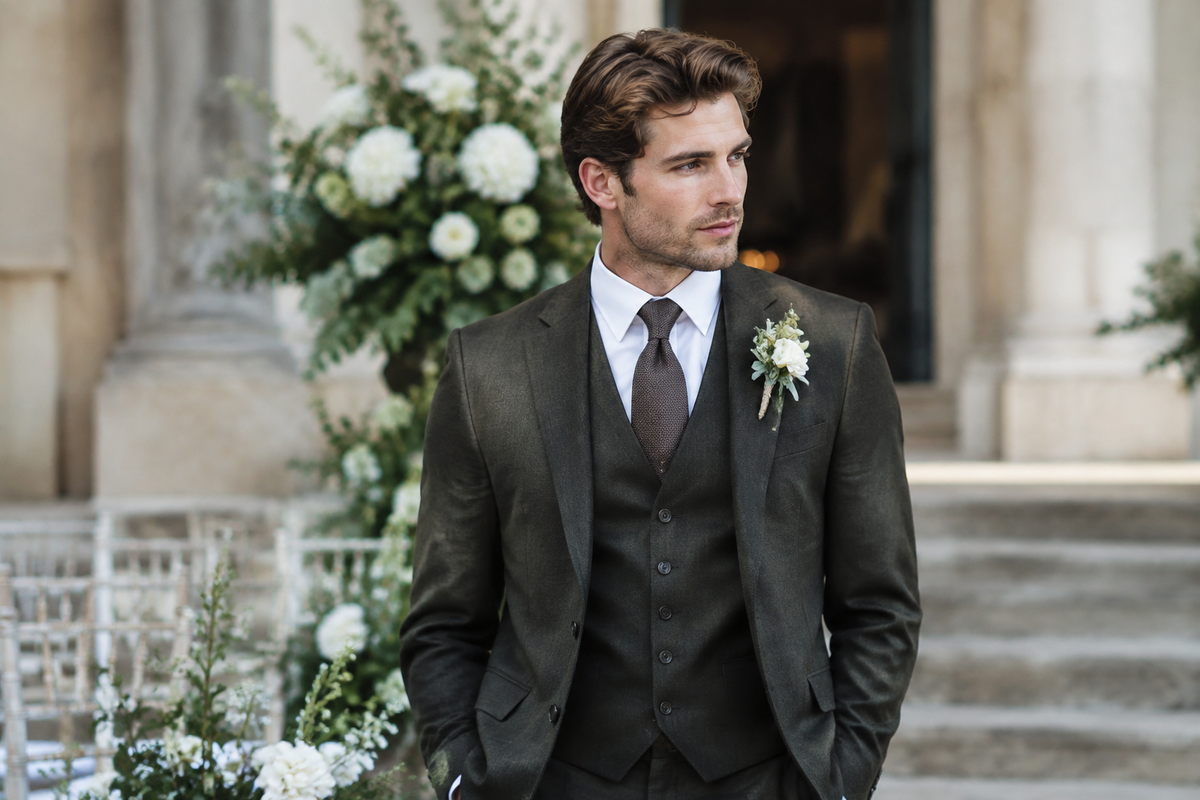
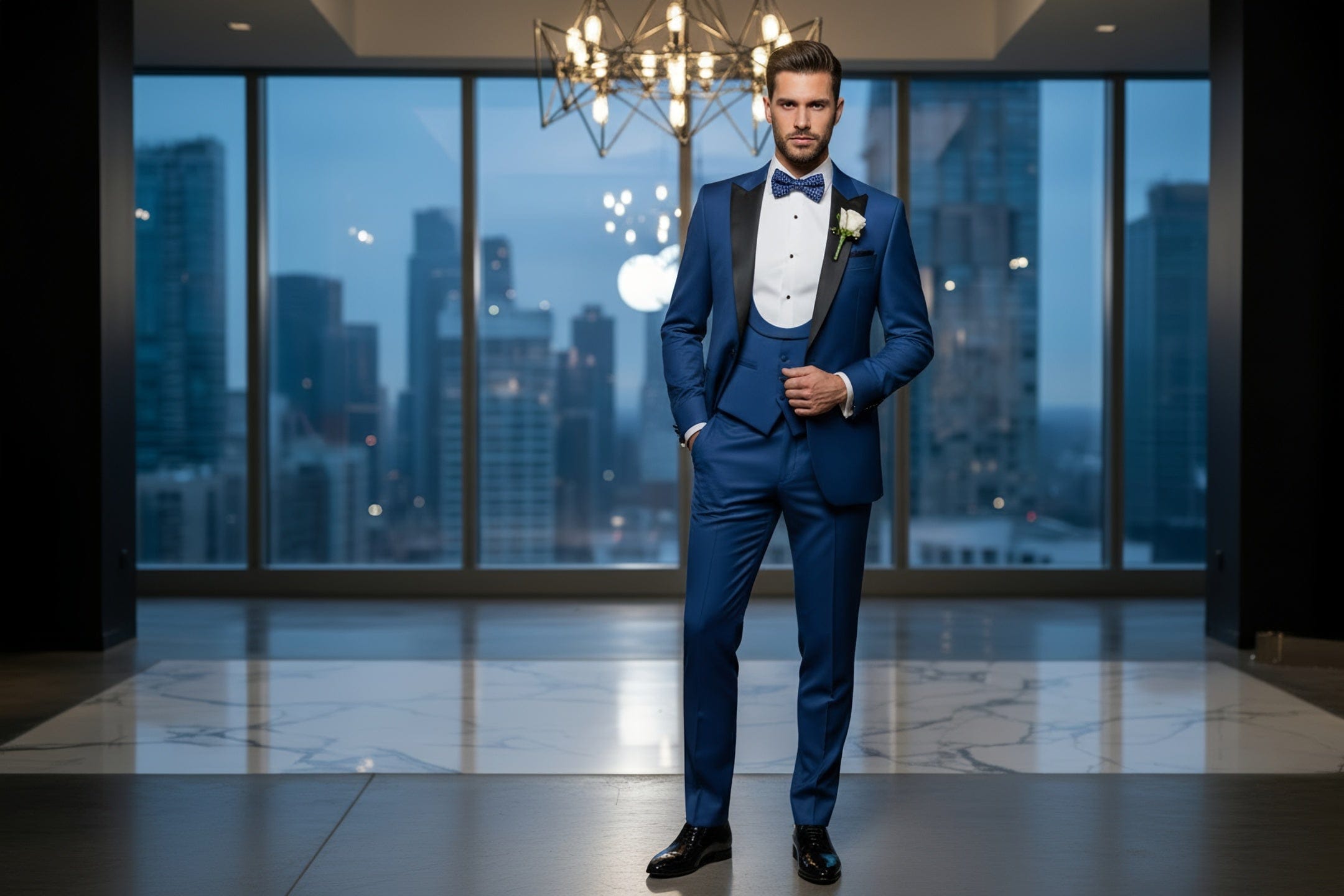
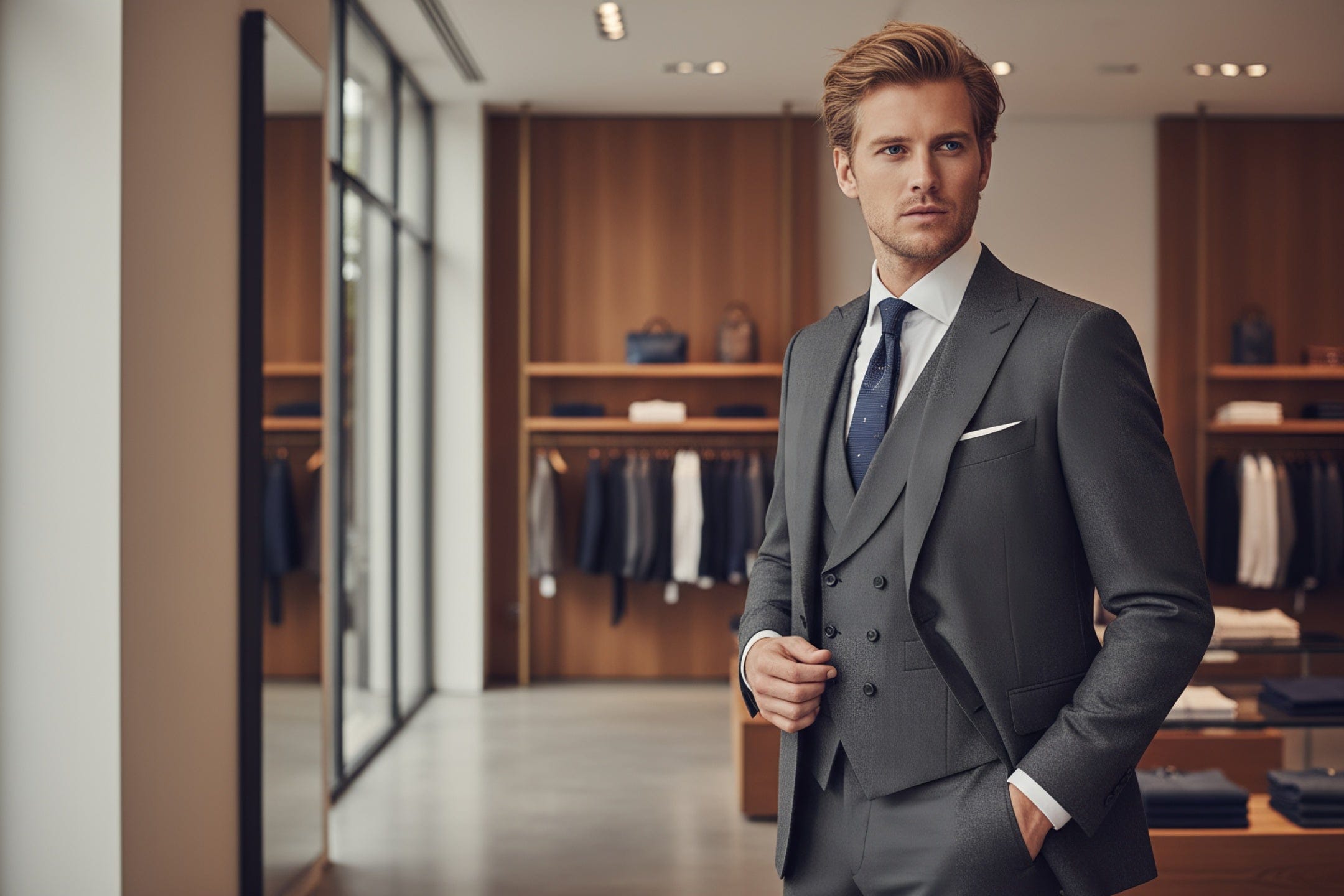
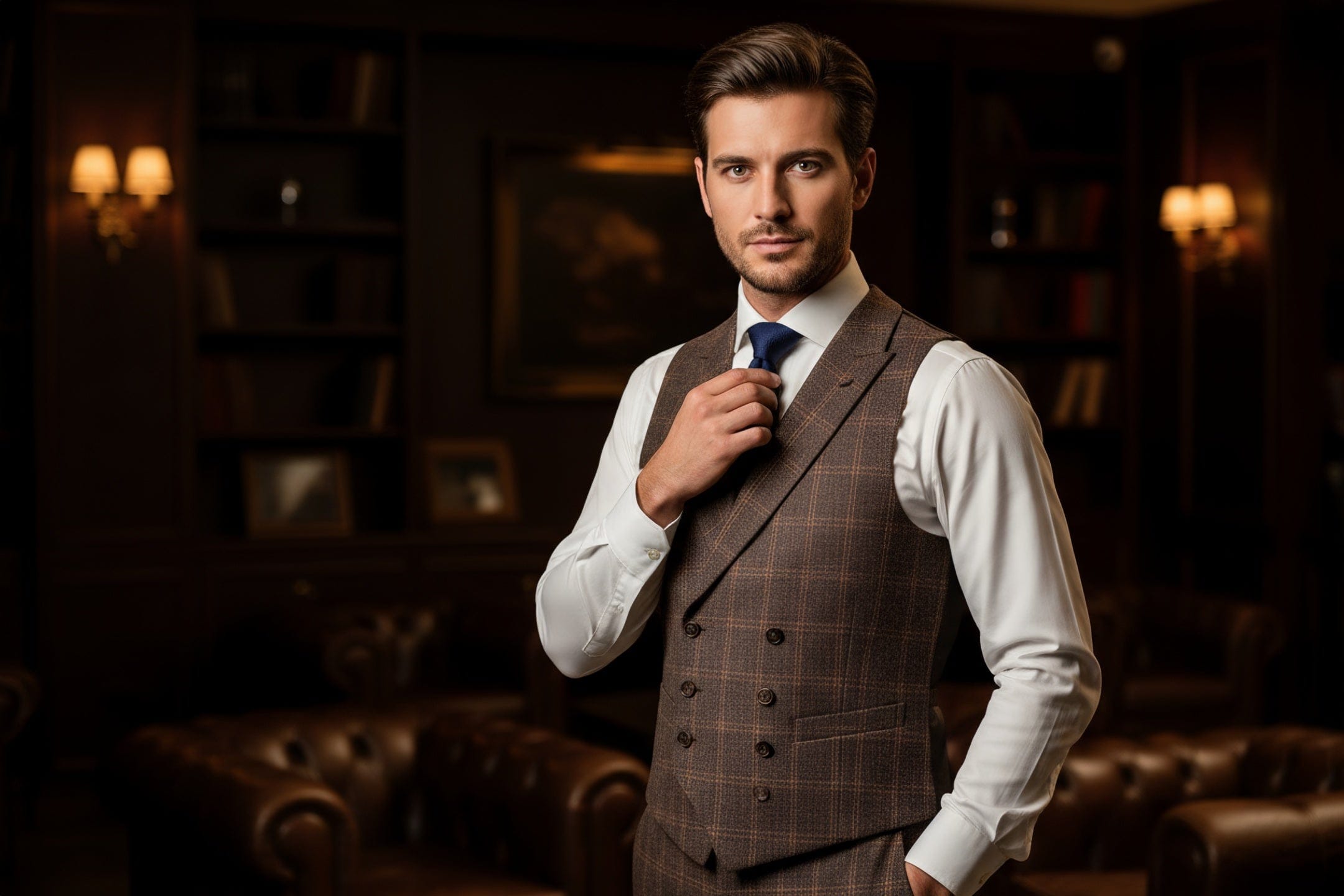
When the moment calls for unapologetic authority and grandeur, the three-piece suit—comprising a blazer, tailored waistcoat, and trousers—is without equal. Originating in British court traditions, the vest contours the torso, holds the tie immaculately in place, and preserves a distinguished silhouette even when the jacket is unbuttoned. Whether you choose a classic single-breasted waistcoat or a statement double-breasted vest, the three-piece ensemble represents the gold standard of formal panache.
The Language of Details

Connoisseurs notice what others overlook. Small design choices speak volumes about your sartorial knowledge:
- ◆ Notch Lapel: Understated, balanced, and timeless. Ideal for daily professional life and versatile elegance.
- ◆ Peak Lapel: Pointing upward toward the shoulders, peak lapels broaden the chest visually and evoke an unmistakable sense of power, formal dignity, and ceremony.
- ◆ Double-Breasted Construction: Symmetrical, imposing, and regal. A double-breasted cut evokes mid-century cinematic charm and sartorial mastery.
The Finishing Touches: Deliberate Restraint

True nobility lies in moderation. Avoid overloading an outfit with competing accessories. Instead, curate each element with intention:
Pocket Squares
A crisp white linen square folded with a subtle presidential fold or a relaxed silk puff adds depth without distraction.
Neckwear
Opt for high-density silk ties in rich tones—burgundy, forest green, midnight blue, or subtle micro-patterns.
Leather Craft
Always align your leather tones. Black oxfords for formal and evening attire; burnished brown or cognac derbies and monk straps for navy and textured suits.
Cultivating Nobility

A bespoke or finely crafted suit is not a costume; it is an extension of character. A gentleman of genuine taste pairs his immaculate attire with courtesy, calm composure, upright posture, and active listening.
“Clothes announce the man, but integrity and poise define him.”
Frequently Asked Questions
What is the primary advantage of wearing a 3-piece suit over a 2-piece suit?
A 3-piece suit adds a tailored waistcoat that provides a smoother, more contoured silhouette across the torso, keeps your necktie neatly anchored, and maintains a fully dressed, elegant appearance even when you remove or unbutton your suit jacket. It delivers elevated formality and commanding visual impact.
How can I tell if a suit jacket fits properly around the shoulders?
The shoulder seam of the jacket should rest squarely where your collarbone meets your arm. There should be no padding extending past your natural shoulder line, nor should the fabric feel stretched or dimpled. Shoulders are the most crucial and difficult alteration area on a suit jacket.
When should I choose a peak lapel suit instead of a notch lapel?
Notch lapels are the quintessential choice for everyday business and versatile smart-casual wear. Peak lapels provide a broader, bolder visual silhouette and are traditionally chosen for black-tie events, weddings, formal dinners, and power suiting.
What accessories are essential to complement a tailored suit?
To maintain an air of understated nobility, adhere to three core accessories: a high-quality silk tie, a subtle pocket square, and polished leather dress shoes with a matching leather belt. Keep metals consistent across your watch, cufflinks, and belt buckle.
How should I care for my tailored suits to maximize their lifespan?
Avoid frequent chemical dry cleaning, which strips natural wool fibers of their oils; instead, dry clean only once or twice a season. After each wear, brush the fabric with a natural horsehair garment brush to remove dust, steam gently to release creases, and hang the suit on a wide, contoured wooden hanger with 24 hours of rest between wearings.