








The Definitive Reference
The Ultimate Guide to
Men's Business Casual Suits
Dressing well is a form of good manners — and in the modern workplace, business casual is the new power uniform. This guide walks you through everything you need to master the art of the business casual suit.
 Introduction
What Is Business Casual, Really?
Business casual sits at the elegant intersection of professional authority and relaxed confidence. It is not a license to dress down — it is an invitation to dress smarter. The modern business casual suit retains the structure and polish of traditional tailoring while shedding the rigidity of black-tie formality.
Think: a beautifully cut blazer worn without a tie, slim trousers in a refined fabric, and shoes that speak quietly of quality. The goal is to look effortlessly put-together — as though you were born in the suit.
At its core, business casual is about intentional dressing: every piece chosen with purpose, every detail considered.
Chapter One
Choosing the Right Fabric
 Fabric is the foundation of any great suit. It determines how the garment drapes, breathes, and ages. For business casual, you want fabrics that balance structure with comfort — materials that look sharp at 9 AM and still feel fresh at 7 PM.
Year-Round
Super 100s–120s Wool
The gold standard. Fine, resilient, and naturally breathable. A Super 110s worsted wool in navy or charcoal is the single most versatile piece a man can own.
Spring / Summer
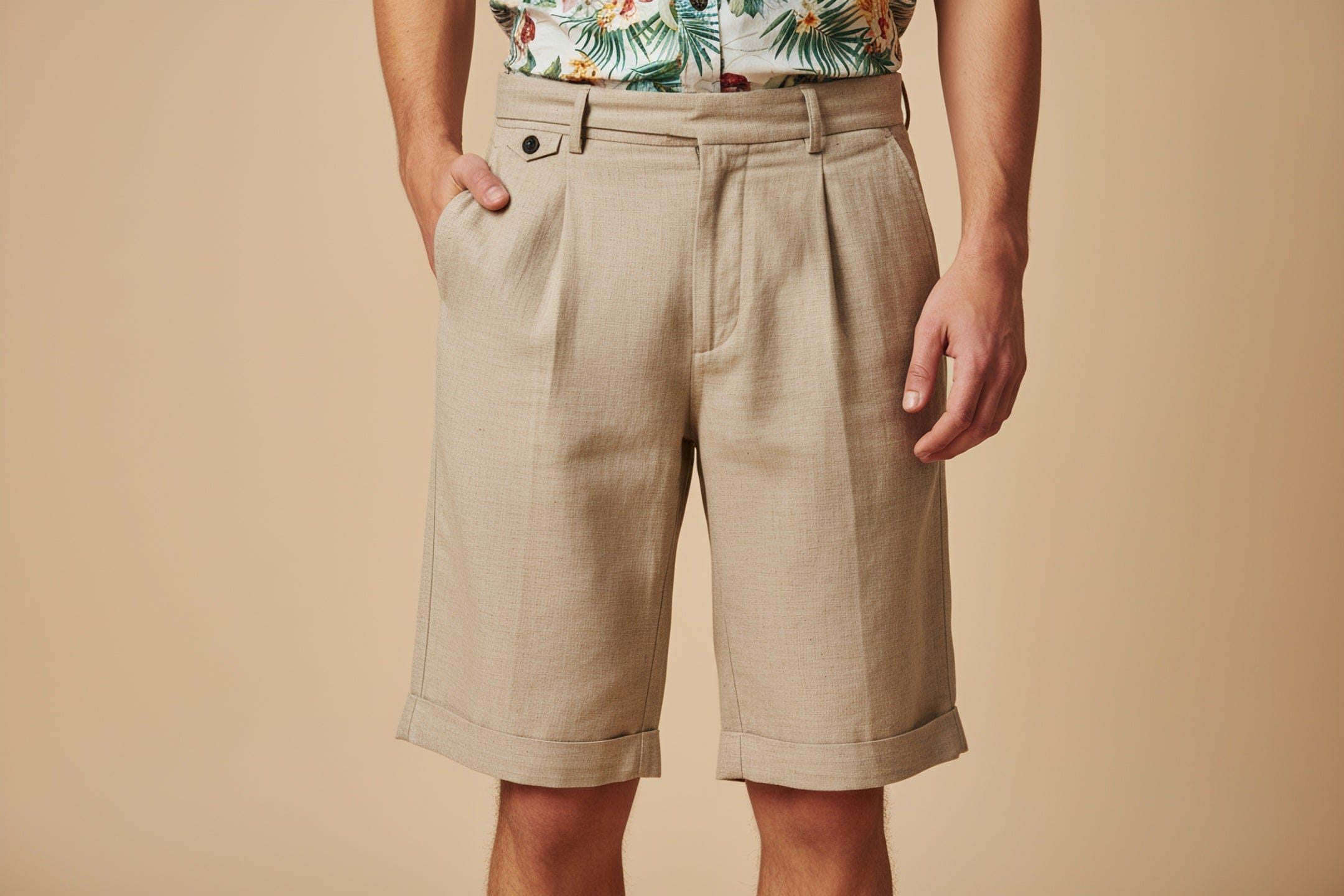
Wool-Linen Blend
The linen adds a relaxed, slightly textured hand that reads as effortlessly sophisticated rather than casual.
Autumn / Winter
Wool-Cashmere Blend
Cashmere adds a subtle softness and luxurious drape that elevates any business casual look through the colder months.
Blazers & Odd Jackets
Hopsack Weave
An open basket-weave construction that breathes exceptionally well. Slightly textured — perfect for jackets worn without a tie.
"Invest in the fabric first. A mediocre cut in exceptional cloth will always outperform an exceptional cut in mediocre cloth."
Chapter Two
The Business Casual Wardrobe: Five Essential Suits
 Building a business casual wardrobe is not about quantity — it is about strategic selection. These five suits will cover every professional scenario you will ever encounter.
Navy Slim-Fit Suit
The cornerstone. Navy is universally flattering, reads as authoritative without being severe, and pairs with virtually every shirt and shoe colour. Choose a slim but not tight cut with a slight taper at the waist.
Charcoal Grey Two-Piece
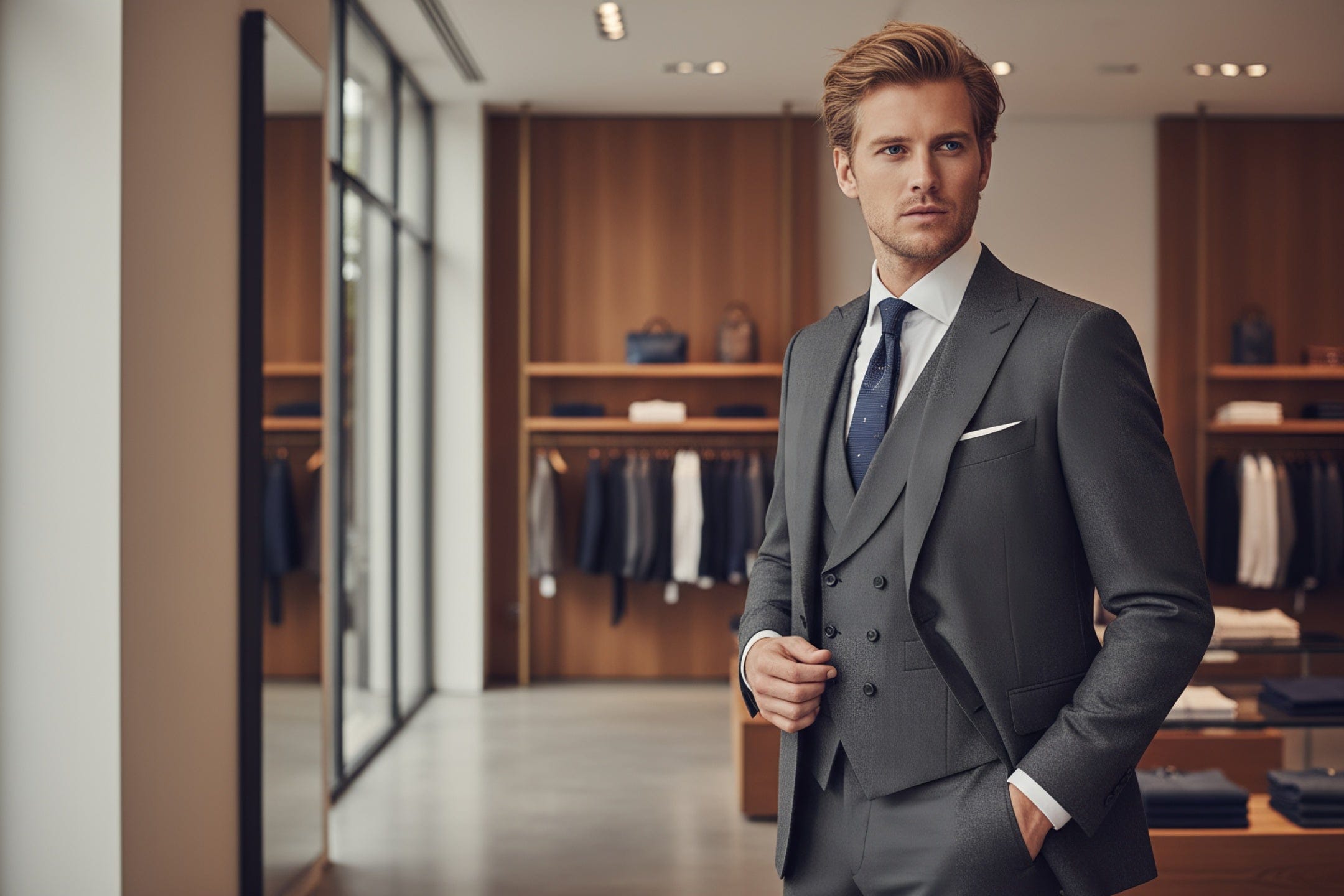
The power suit of business casual. Charcoal commands respect in any room. Wear it with a white shirt and no tie for a look that is simultaneously relaxed and formidable.
Mid-Grey Flannel
Softer and more approachable than charcoal. Perfect for creative industries, client meetings, and days when you want to project warmth alongside authority.
Tan or Camel Suit
The statement piece. A well-cut tan suit in fine wool or wool-linen blend is the mark of a man who understands colour. Wear in spring and summer with a white or pale blue shirt.
Textured Blazer + Odd Trousers
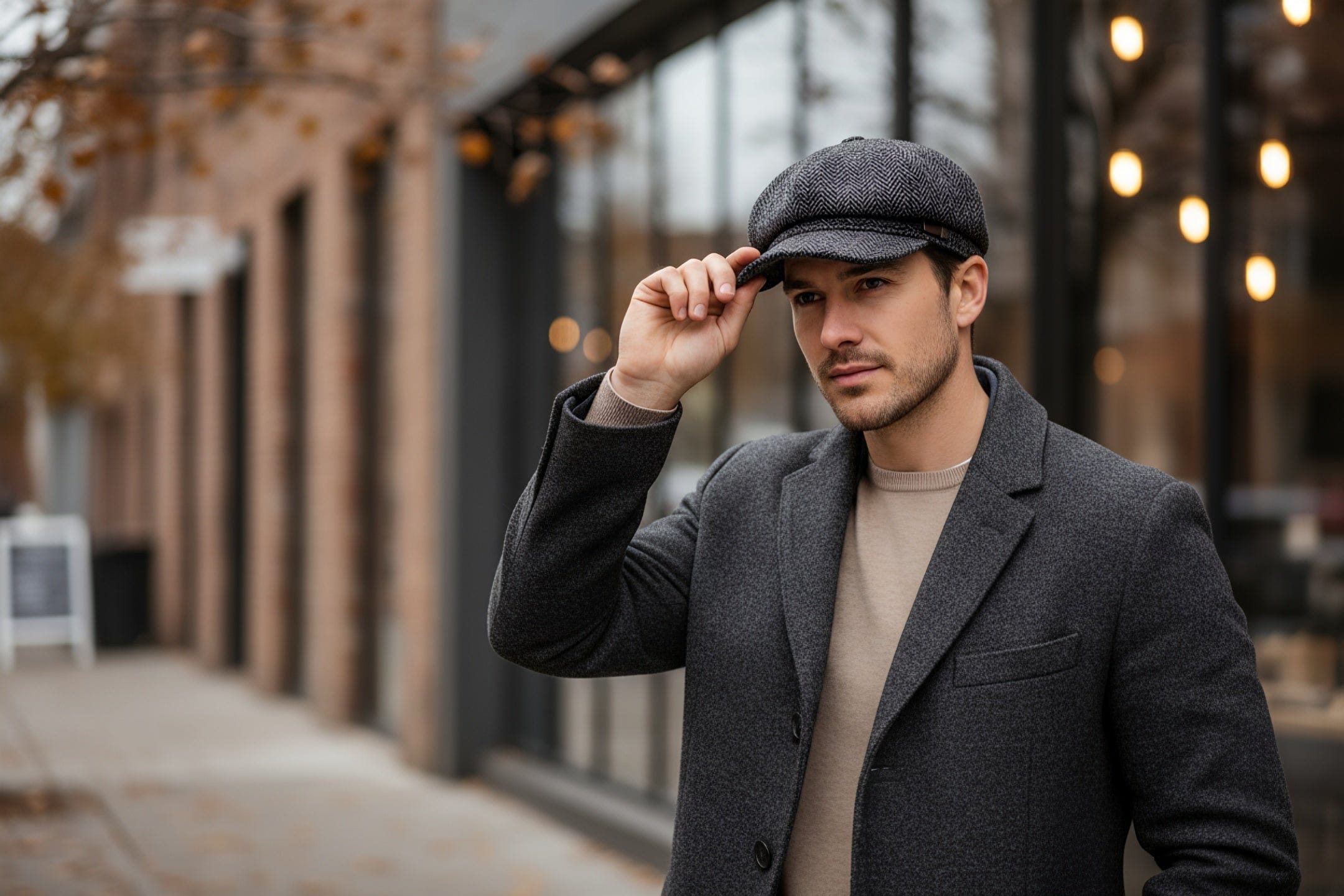
Not a matched suit, but a blazer in hopsack, tweed, or herringbone paired with contrasting trousers. The most relaxed end of business casual — and the most versatile for creative or tech environments.
Chapter Three
Silhouette & Fit: The Non-Negotiable
 No fabric, no matter how fine, and no brand, no matter how prestigious, can compensate for poor fit. Fit is the single most important variable in how a suit looks on your body. A made-to-measure suit eliminates this variable entirely — every seam, every dart, every hem calibrated to your specific measurements.
The Fit Checklist
| Shoulders | The seam must sit precisely at the edge of your shoulder. This is the one alteration that cannot be easily fixed after the fact. |
| Chest | When buttoned, the jacket should lie flat with no pulling or gaping. Slide a flat hand inside the lapel with slight resistance. |
| Waist | A slight taper creates a clean, masculine silhouette. Avoid boxy cuts that add visual weight. |
| Sleeve Length | Approximately 1.5 cm of shirt cuff should be visible below the jacket sleeve. This detail signals precision and craft. |
| Trouser Break | A slight break or no break at all. Avoid heavy breaks, which read as dated. |
"Made-to-measure is not a luxury — it is the most efficient investment you can make in your professional appearance. Every measurement is taken for you. Every detail is yours."
Chapter Four
Shirts, Shoes & Accessories
 Shirts
The business casual shirt is worn open at the collar — no tie required. The collar must be structured enough to hold its shape. Spread and semi-spread collars work best. Avoid button-down collars (too casual) and point collars (incomplete without a tie).
Colour hierarchy: White → Pale Blue → Light Grey → Subtle Stripe → Subtle Check. Start with white and pale blue; add texture as your wardrobe matures.
Shoes
Oxford
Most formal. Black for charcoal and navy; dark brown or oxblood for grey and tan.
Derby
Slightly more relaxed. Excellent for textured suits and odd jackets.
Loafer
The quintessential business casual shoe. Tan or dark brown leather with a navy suit is one of menswear's finest combinations.
Chelsea Boot
For autumn and winter. A sleek black or dark brown Chelsea adds a contemporary edge.
The Finishing Details
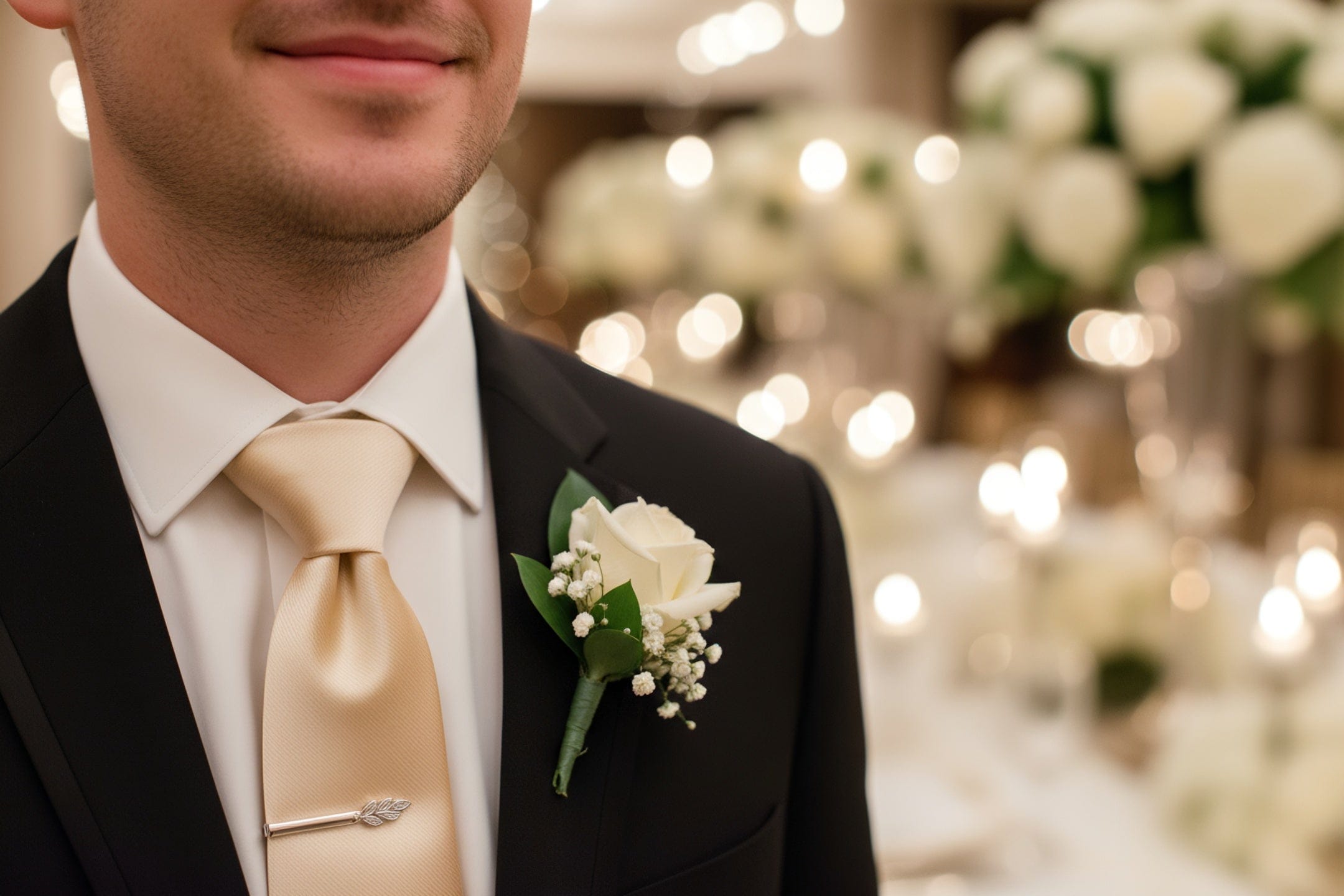
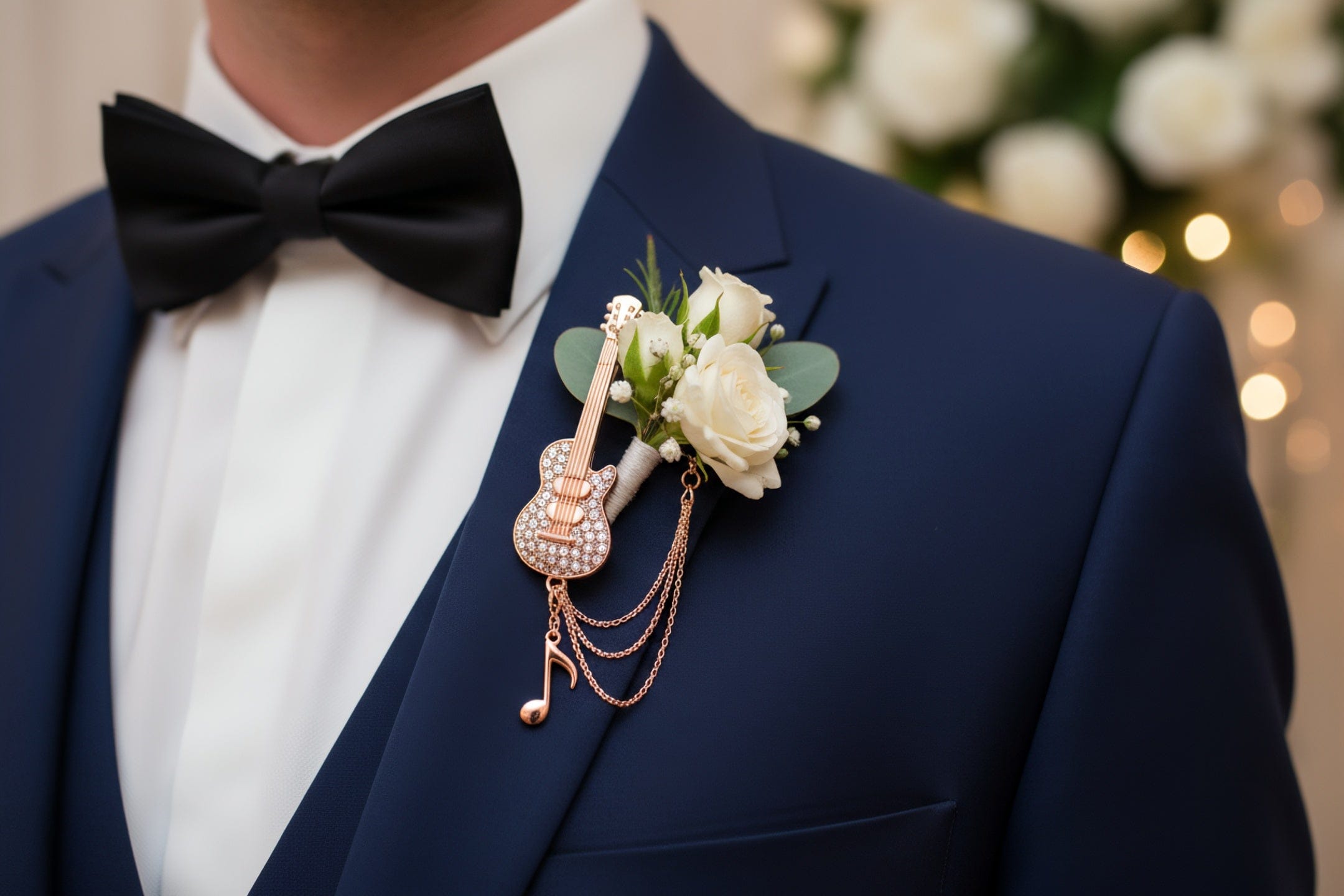
Pocket Square — The single most impactful accessory in business casual. A white linen square in a flat fold is always correct. A silk square in a soft puff adds personality.
Watch — A dress watch with a leather strap. Keep it understated: thin case, clean dial, no excessive complications.
Belt — Always match your belt to your shoes in both colour and finish. A mismatch here is the most common — and most avoidable — error in men's dressing.
Chapter Five
Colour Combinations That Always Work
Colour is where most men make mistakes — and where the most confident men distinguish themselves. These combinations are proven, elegant, and endlessly wearable.
Chapter Six
Caring for Your Suits
A well-made suit, properly cared for, will last a decade or more. The investment in care is a fraction of the investment in the garment — and it pays dividends in longevity and appearance.
Rotate Your Suits
Never wear the same suit on consecutive days. Wool needs 24–48 hours to recover its shape and breathe out moisture.
Use Proper Hangers
Wide, contoured wooden hangers that support the full shoulder. Wire hangers distort the shoulder over time.
Brush After Wearing
A natural-bristle suit brush removes surface dust and lint, and keeps the fibres aligned. Brush downward with the grain.
Steam, Don't Iron
A handheld steamer relaxes wrinkles without the risk of shine or damage from direct ironing. Hold 5–8 cm from the fabric.
Dry Clean Sparingly
Dry cleaning is harsh on wool fibres. Reserve it for genuine stains or end of season. Spot-clean minor marks with a damp cloth.
Made for You
Every Suit. Tailored to Your Exact Measurements.
Free Customization Included.
Explore our collection of made-to-measure business casual suits — crafted in premium fabrics, tailored to your specifications, and delivered worldwide.
Final Word
Dress with Intention
Business casual is not a compromise between formal and casual — it is a discipline in its own right. Mastered, it is one of the most powerful tools a professional man has at his disposal. It signals that you take your appearance seriously without taking yourself too seriously.
The suits in this guide are not just garments. They are instruments of confidence. Choose them carefully, wear them well, and care for them properly — and they will serve you for years to come.
ceehuteey.com · Made-to-Measure Menswear · Worldwide Delivery