







A gentleman's guide to dressing with intention — and knowing exactly when to wear which.
At first glance, a suit and a tuxedo may seem interchangeable — both are tailored, both are sharp, and both command respect in a room. But to the discerning eye, the differences are unmistakable. Understanding them isn't just about fashion; it's about mastering the art of dressing for the occasion.
Whether you're preparing for a black-tie gala, a wedding, or a high-stakes business dinner, this guide will walk you through everything you need to know.
🎩 The Suit: Timeless Versatility
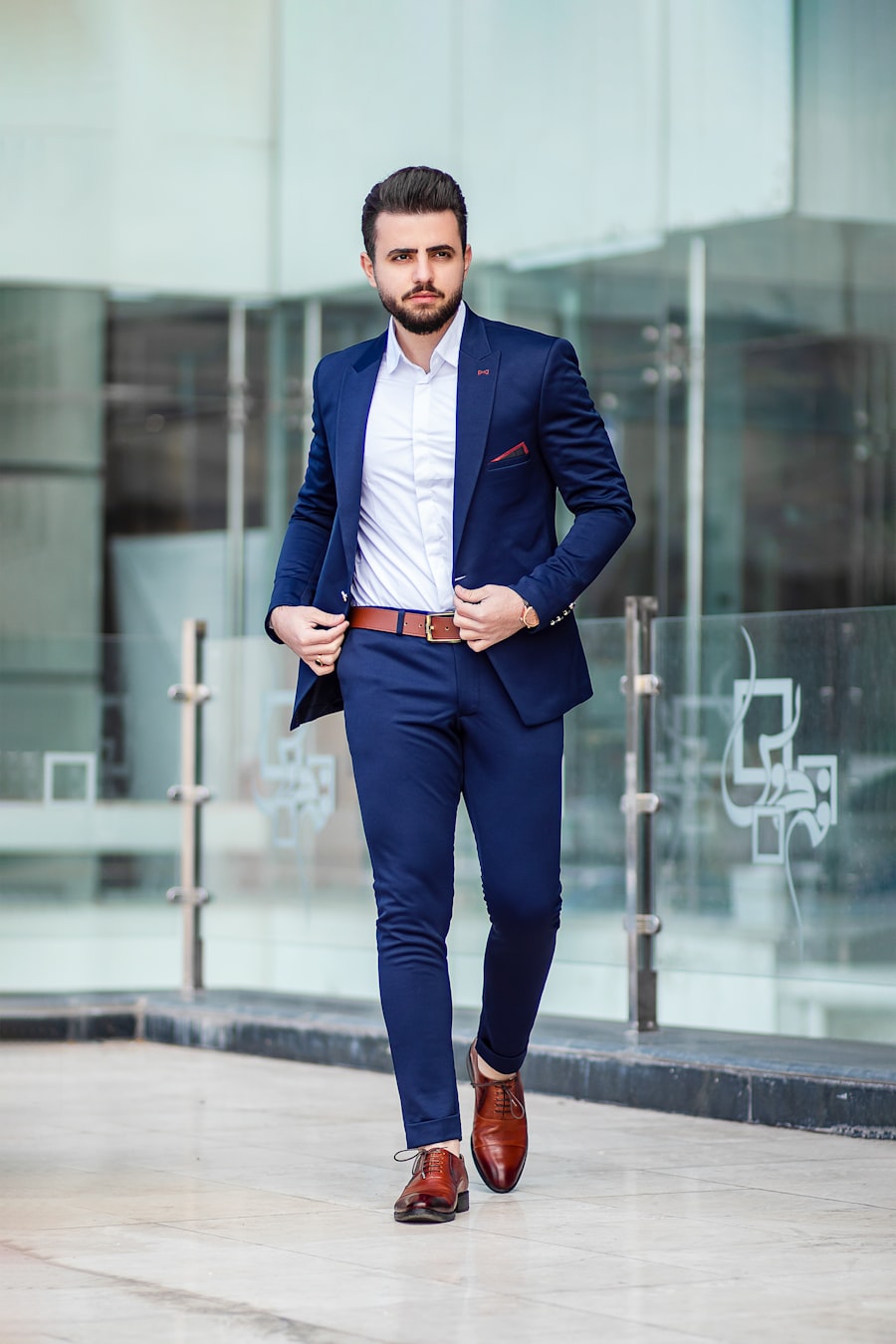
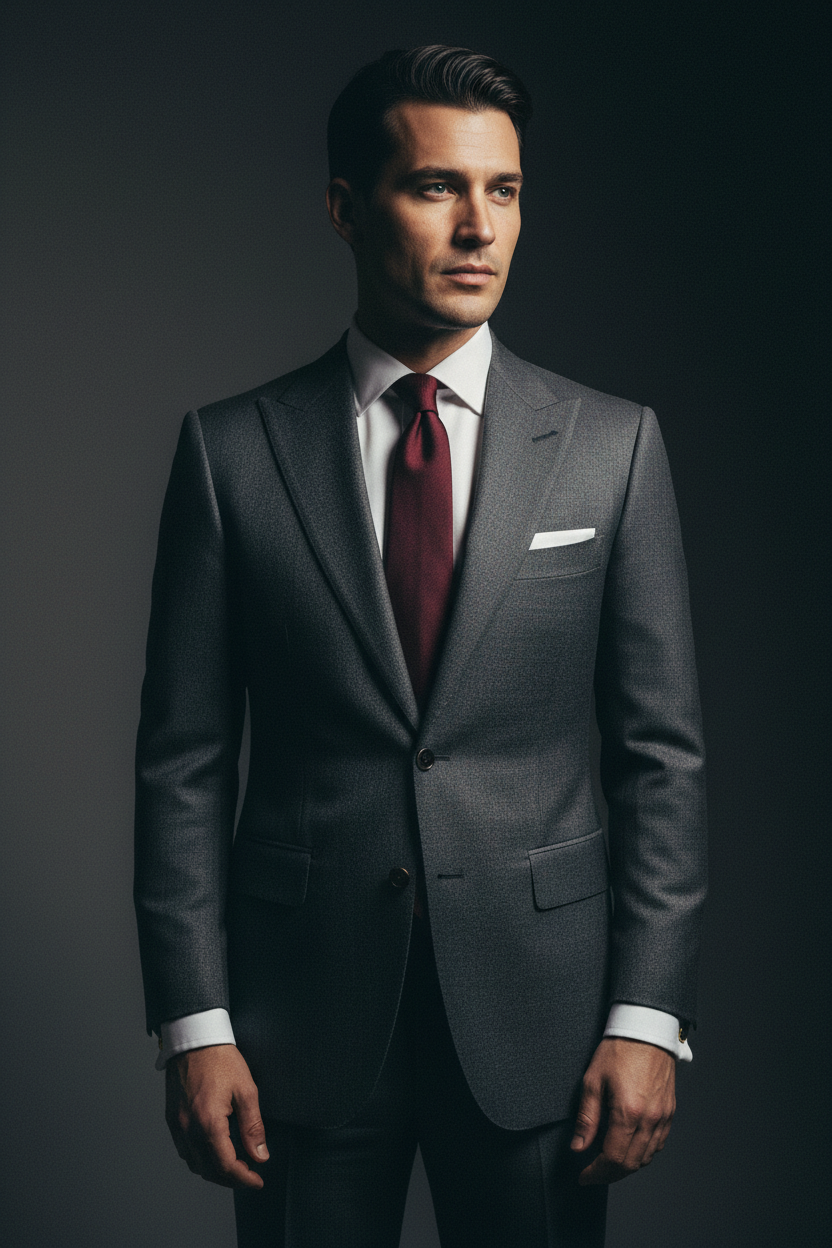
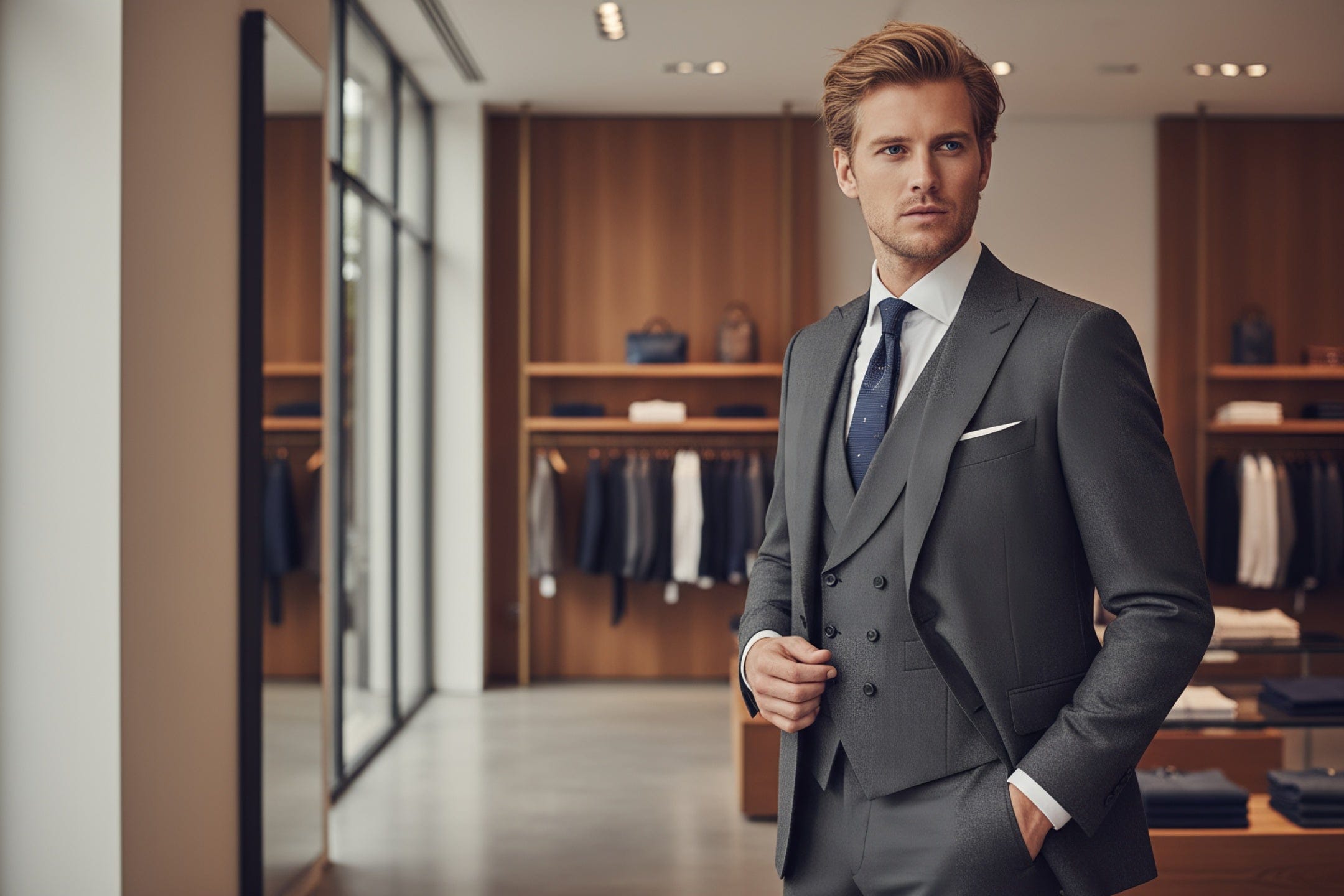
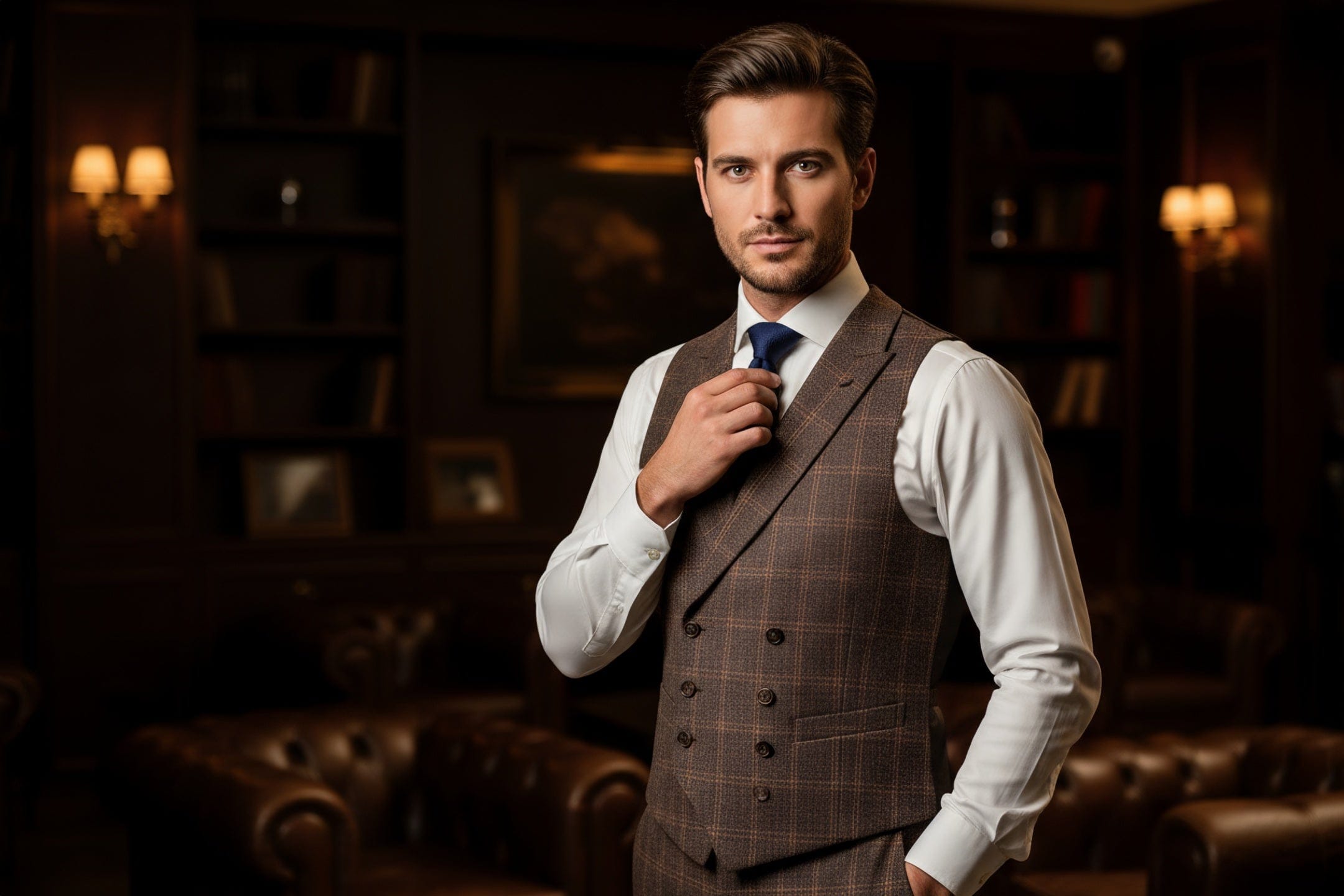
A suit consists of a jacket and trousers cut from the same fabric — typically wool, cotton, or a blend. It is the most versatile garment in menswear, appropriate for business meetings, weddings, cocktail parties, and everything in between.
Key Characteristics of a Suit:
- Lapels: Notch or peak lapels in the same fabric as the jacket — no satin or silk facing.
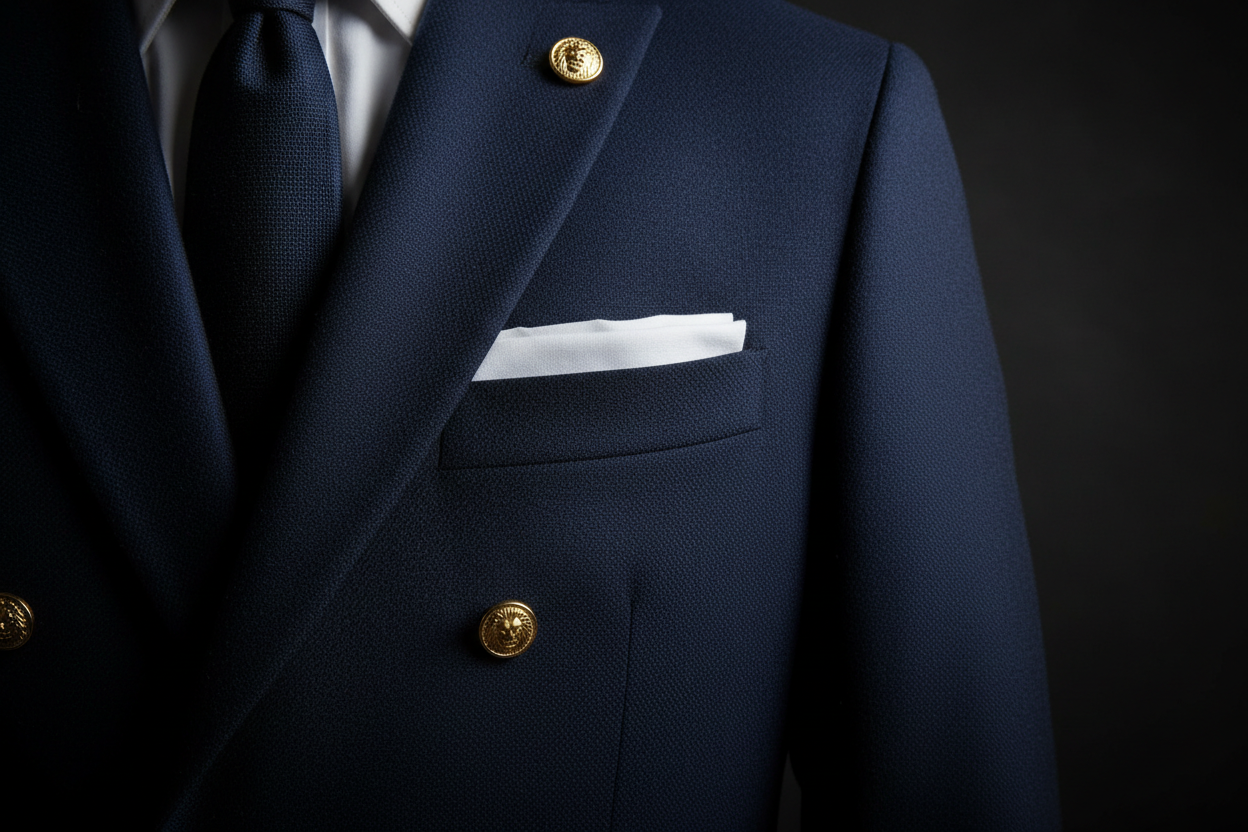
- Buttons: Covered in matching fabric or plain horn buttons.
- Trousers: No satin stripe down the side seam.
- Neckwear: Dress shirt with tie, or open collar for smart-casual looks.
- Shoes: Oxford, Derby, or loafer in black or brown leather.
Suits come in a vast range of colors — navy, charcoal, grey, tan, and beyond — making them adaptable to virtually any dress code from business formal to smart casual.
🥂 The Tuxedo: Dressed for the Extraordinary
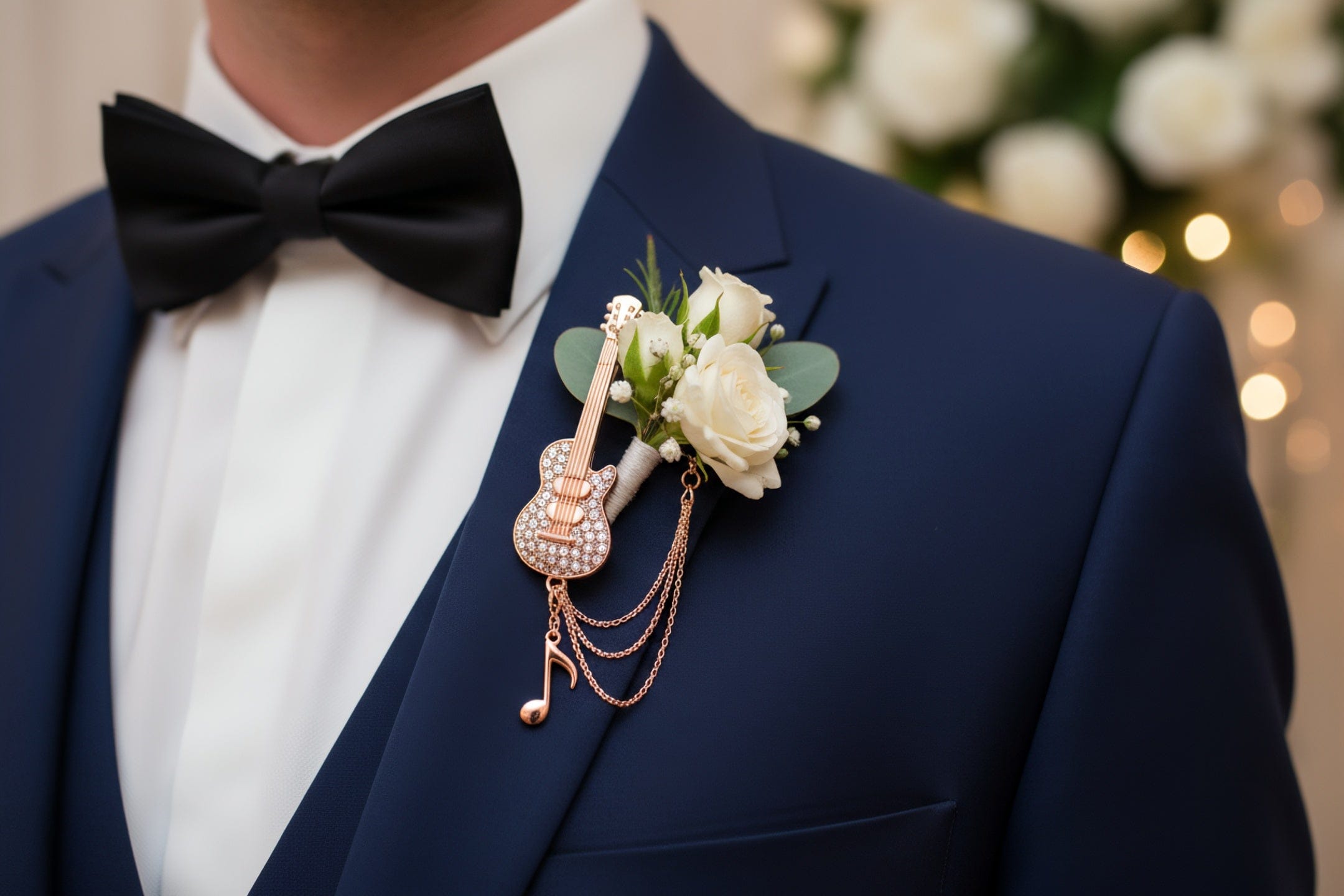
A tuxedo (also called a dinner jacket in British English) is a formal evening garment defined by its distinctive satin or grosgrain silk detailing. It signals one thing above all else: this occasion matters.
Key Characteristics of a Tuxedo:
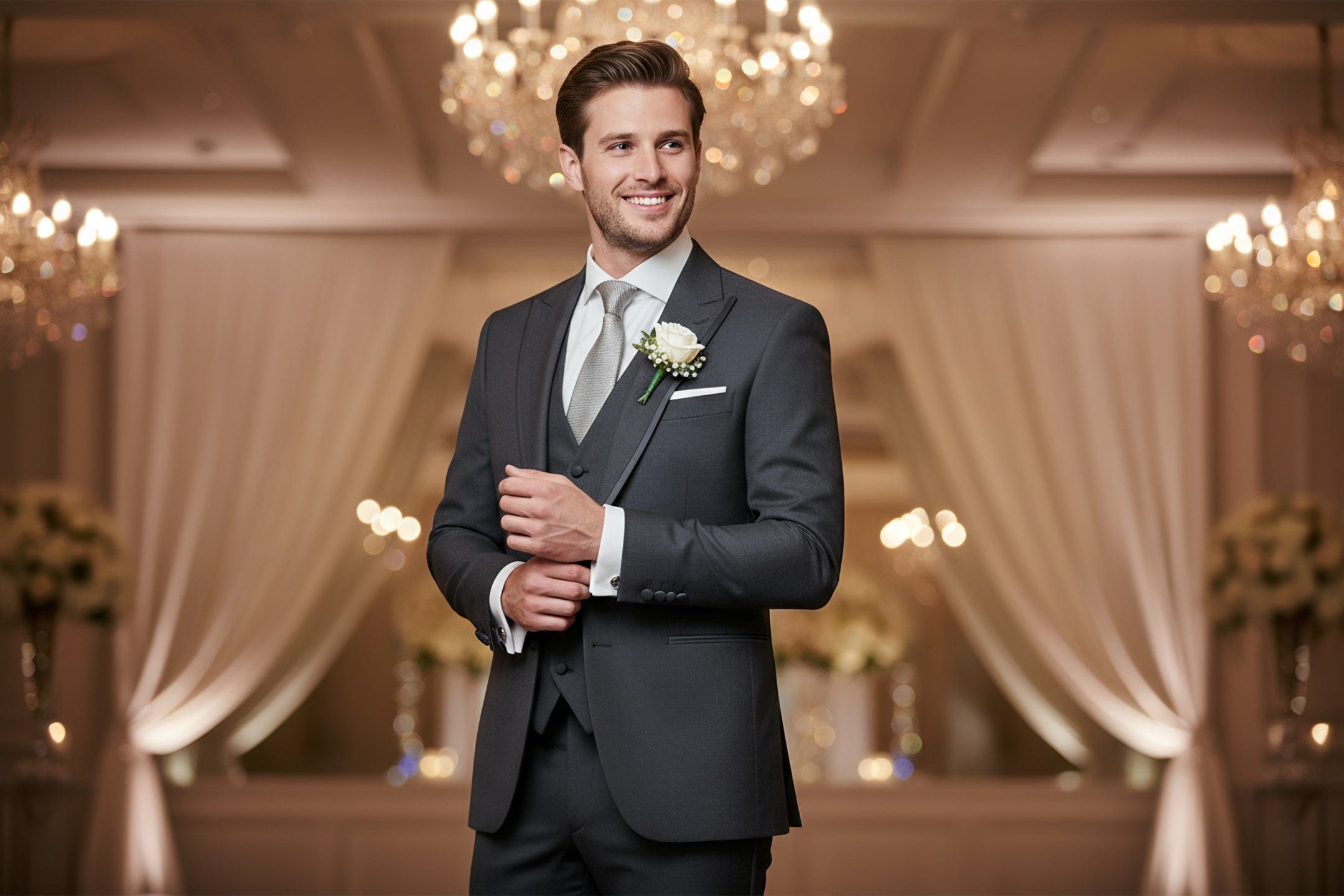
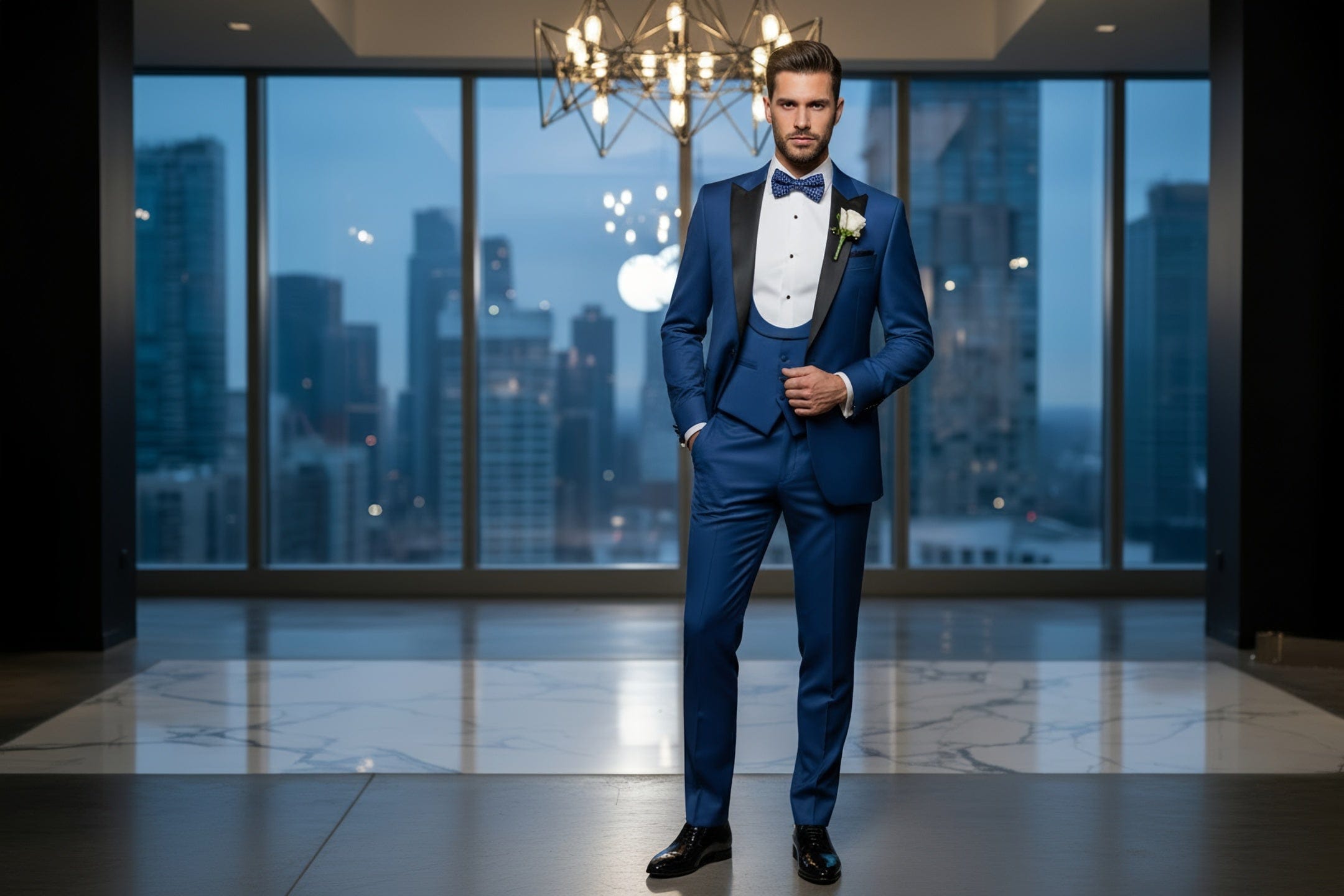
- Lapels: Satin or grosgrain-faced lapels — shawl collar or peak lapel. This is the most defining visual difference.
- Buttons: Covered in satin or silk.
- Trousers: A satin or grosgrain stripe runs down the outer seam — no belt loops, worn with suspenders.
- Shirt: Formal white dress shirt with a bib front (pleated or piqué), French cuffs with cufflinks.
- Neckwear: Black bow tie — always. A long tie breaks the formality.
- Shoes: Black patent leather Oxford or opera pump.
- Accessories: Cummerbund or waistcoat in matching black satin.
📊 Side-by-Side Comparison
| Feature | Suit | Tuxedo |
|---|---|---|
| Lapels | Fabric (notch or peak) | Satin/grosgrain faced |
| Trouser stripe | None | Satin/grosgrain stripe |
| Neckwear | Tie or open collar | Black bow tie |
| Shirt | Standard dress shirt | Formal bib-front shirt |
| Shoes | Leather dress shoes | Patent leather Oxford |
| Dress code | Business to cocktail | Black tie / White tie |
| Versatility | High | Occasion-specific |
📅 When to Wear Which
Wear a Suit for:
- Business meetings and corporate events
- Cocktail parties and semi-formal dinners
- Daytime weddings (as a guest or groomsman)
- Job interviews and client presentations
- Theatre, opera, or upscale restaurant dining
Wear a Tuxedo for:
- Black-tie galas and charity balls
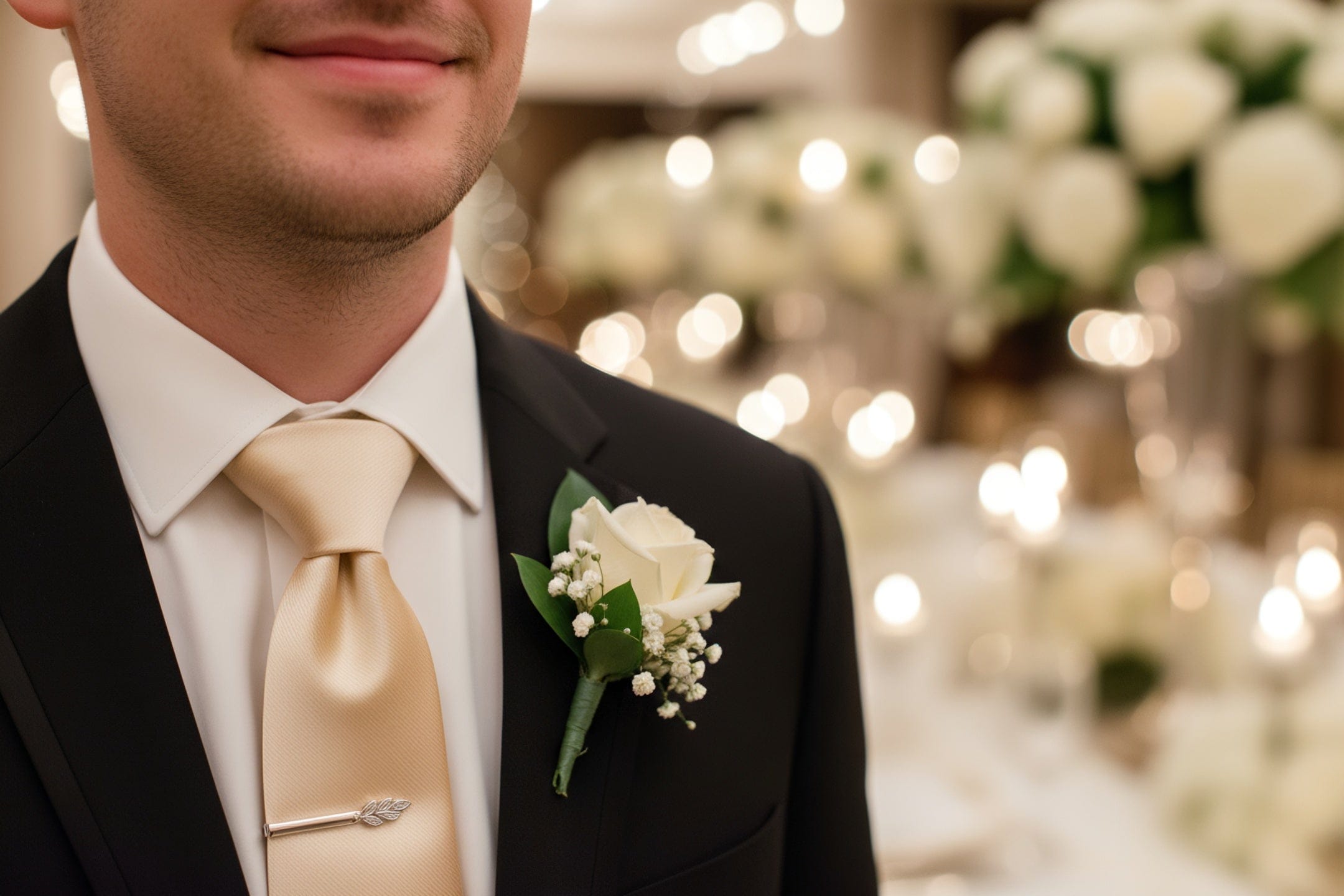
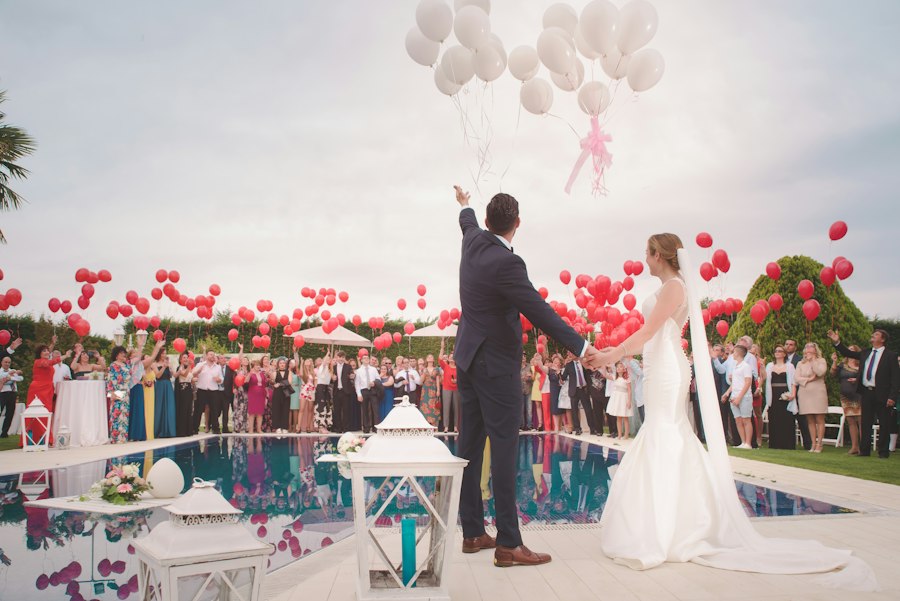
- Evening weddings (especially as the groom)
- Award ceremonies and film premieres
- New Year's Eve formal celebrations
- Any invitation that reads "Black Tie" or "Black Tie Optional"
"Dress how you want to be addressed. A tuxedo doesn't just say you arrived — it says you belong there."
✂️ The Fit: Where Both Live or Die

Whether you choose a suit or a tuxedo, fit is everything. A perfectly fitted suit will always outshine an ill-fitting tuxedo. Here's what to look for:
- Shoulders: The seam should sit exactly at the edge of your shoulder — no overhang, no pulling.
- Chest: The jacket should button cleanly with no pulling across the chest.
- Sleeves: About ½ inch of shirt cuff should show below the jacket sleeve.
- Trouser break: A slight break at the shoe is classic; no break is modern and clean.
- Waist suppression: A tailored waist creates a masculine silhouette — avoid boxy cuts.
At Ceehuteey, every suit is crafted with bespoke tailoring in mind — offering custom color, size, and fit options so your garment is uniquely yours.
🎨 Color and Fabric Choices
For Suits:
The classic choices are navy, charcoal grey, and mid-grey — all of which work across seasons and occasions. For warmer months, consider lighter tones like stone, tan, or light blue. Fabric-wise, wool is the gold standard for year-round wear, while linen and cotton excel in summer.
For Tuxedos:
The traditional choice is black with black satin lapels. Midnight navy is a sophisticated modern alternative that reads darker than black under artificial light — a favorite among style connoisseurs. White dinner jackets are reserved for tropical or summer black-tie events.
💡 Common Mistakes to Avoid
- ❌ Wearing a long tie with a tuxedo — always bow tie for black tie.
- ❌ Skipping the pocket square — it's a finishing touch, not optional.
- ❌ Wearing a belt with a tuxedo — use suspenders instead.
- ❌ Choosing the wrong shoes — brown shoes with a tuxedo is a serious faux pas.
- ❌ Ignoring the dress code — showing up in a suit to a black-tie event signals you didn't care enough.
Final Thoughts
The suit and the tuxedo are both pillars of menswear — but they serve different masters. The suit is your daily armor, adaptable and endlessly versatile. The tuxedo is your ceremonial dress, reserved for moments that deserve nothing less than perfection.
Knowing the difference — and dressing accordingly — is one of the quiet signals of a man who understands style at its deepest level.
Ready to find your perfect fit?
Explore our bespoke suit and tuxedo collection — crafted to your exact measurements, in the colors and fabrics you choose.