










The way a man buttons his jacket speaks before he does. It is one of the smallest details in dressing — and one of the most revealing. Master it, and everything else falls into place.
Whether you are stepping into a boardroom, attending a formal dinner, or simply moving through the world with intention, knowing which buttons to fasten — and when — is a mark of genuine sartorial intelligence. This guide covers every suit configuration, every scenario, and every rule you need to dress with quiet authority.
Why These Rules Exist
The logic behind the tradition
Suit button conventions are not arbitrary affectations. They evolved over centuries of tailoring practice, shaped by the structural engineering of the jacket itself — the way canvas is cut, how lapels roll, and how fabric is meant to drape across the human body in motion.
Correct buttoning preserves the jacket's silhouette, prevents stress on the seams, and ensures the garment moves with you rather than against you. A misbuttoned suit — even a beautifully made one — signals inattention. The rules exist to protect both the garment and the impression you make.
 The Two-Button Suit
The modern standard
The two-button single-breasted suit is the cornerstone of contemporary menswear. Its rule is elegantly simple — and non-negotiable:
The bottom button is purely decorative. Fastening it distorts the jacket's natural drape, pulls the fabric across the hips, and collapses the clean V-line of the lapels. This convention is widely attributed to King Edward VII, who left his bottom button undone — reportedly due to his expanding waistline — and an entire court followed his lead. The tradition has endured for over a century.
When seated, unbutton the top button entirely. When you stand, refasten it. This two-second habit protects the jacket's structure and keeps you looking composed throughout the day.
 The Three-Button Suit
Sometimes. Always. Never.
The three-button suit follows one of menswear's most enduring mnemonics — three words that map directly to the three buttons:
A special note: the 2.5-button suit features a top button that sits behind the lapel roll. In this case, only the middle button is ever used — the top button is structural and should never be fastened.
 The Double-Breasted Suit
Worn closed — always
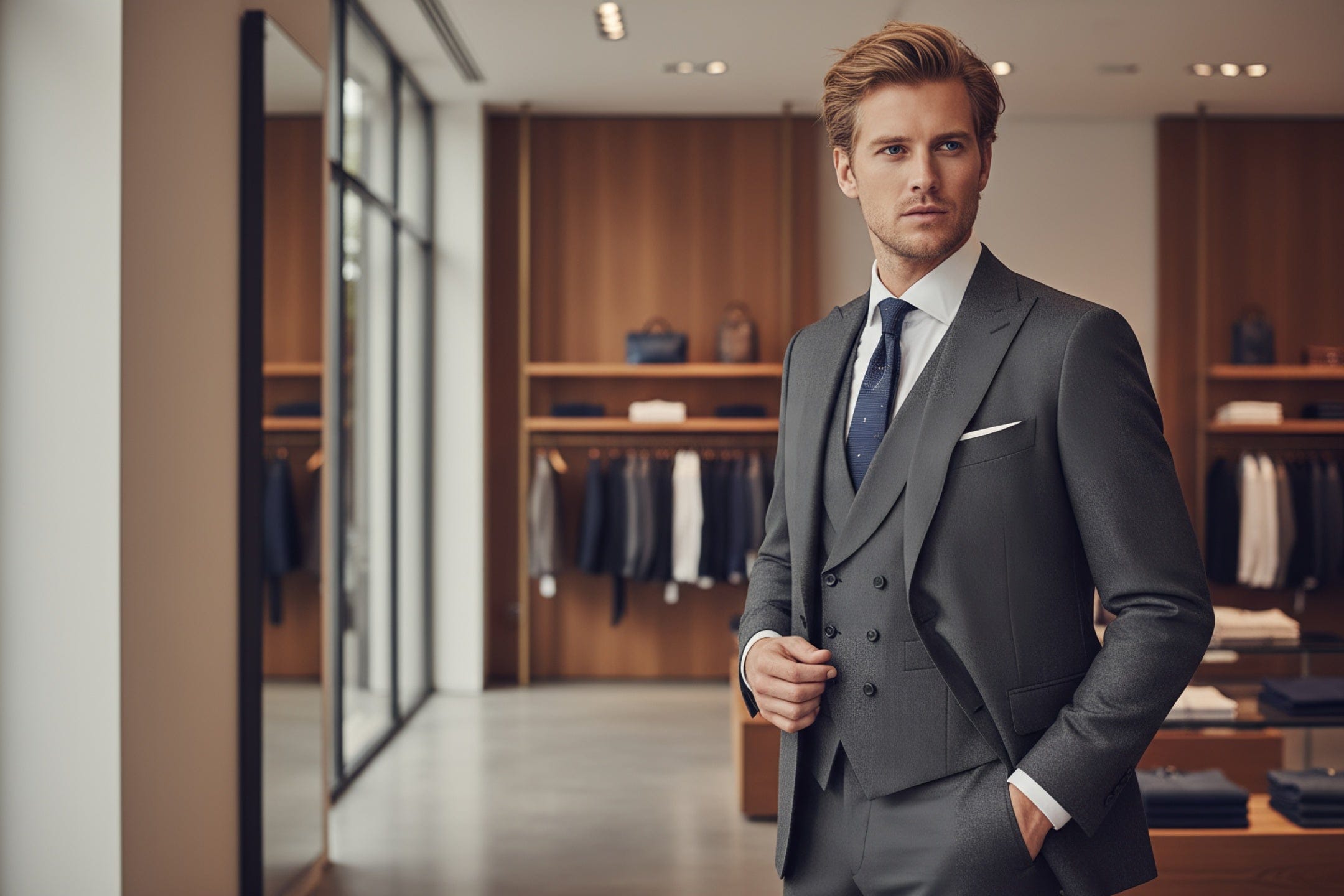
The double-breasted suit operates by a different logic entirely. Unlike its single-breasted counterpart, it is designed to be worn fully buttoned at all times when standing. The overlapping front panels are structurally engineered to be closed — open, they hang without purpose and lose all architectural elegance.
The Rule
Fasten all functional buttons when standing. Always fasten the hidden anchor button inside — it holds the overlap in place and is essential to the jacket's structure. You may unbutton when seated.
If you find yourself frequently needing to unbutton a double-breasted jacket, it is likely cut too close for your frame. A properly fitted double-breasted jacket should allow you to sit comfortably while buttoned.
 Sitting Down
The universal rule every man must know
Regardless of suit style, one rule applies universally: unbutton your jacket when you sit down. This is not a suggestion — it is essential for both comfort and the long-term preservation of your garment.
Sitting with a buttoned jacket places direct stress on the button threads and fabric, causing horizontal creasing across the chest, distortion of the lapels, and gradual damage to the jacket's internal canvas. Unbuttoning takes two seconds and can add years to the life of a jacket.
Develop the reflex: stand → button. Sit → unbutton. Within a week, it becomes instinctive — and it marks you immediately as someone who understands how clothes are meant to be worn.
 Quick Reference
All rules at a glance
| Suit Style | Standing | Seated |
|---|---|---|
| 1-Button | Fasten | Unbutton |
| 2-Button | Top button only | Unbutton all |
| 3-Button | Middle always; top optional | Unbutton all |
| Double-Breasted | All functional buttons | May unbutton |
 Fit Is Everything
Rules only work on a well-tailored jacket
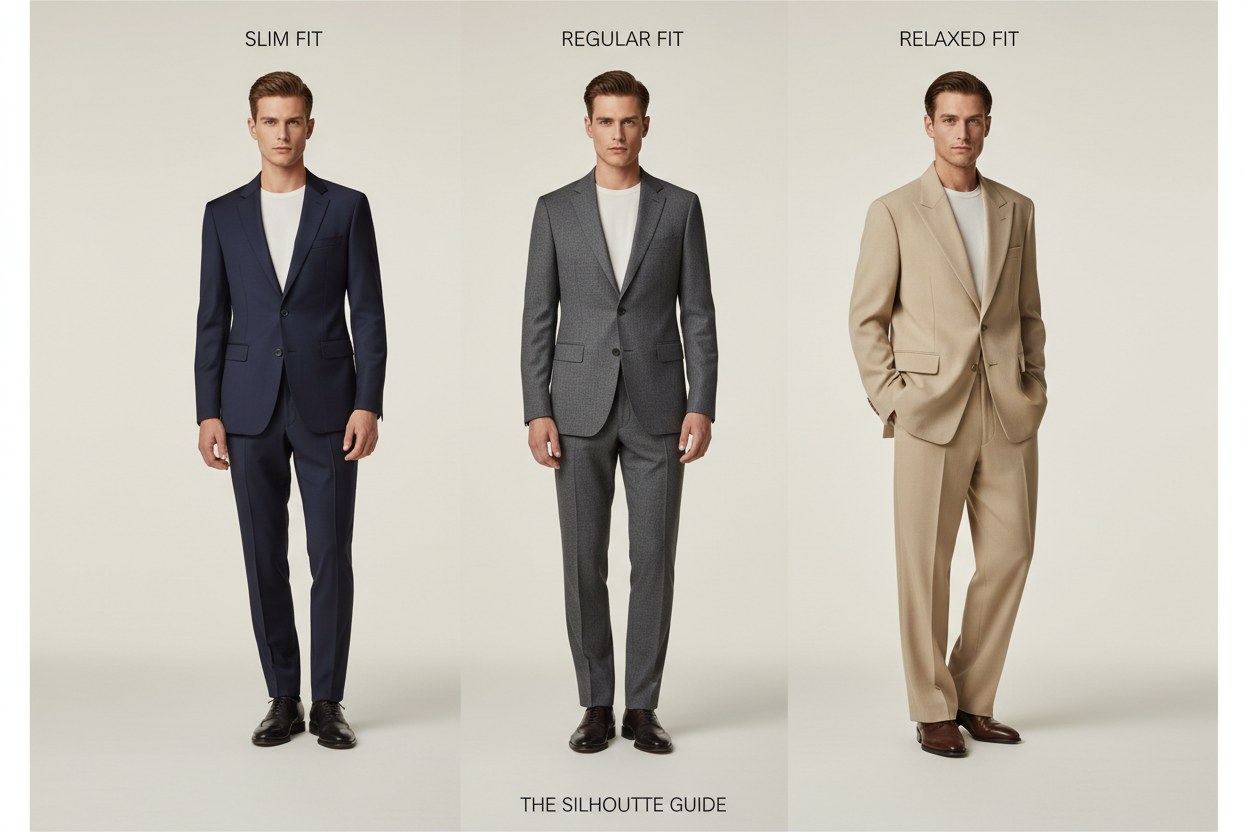
Button rules are only as effective as the fit of the jacket itself. A jacket that is too tight will pull and strain at the button when fastened; one that is too loose will hang shapeless regardless of which buttons are done. The ideal fit allows the top button to close with ease — no pulling, no gaping — while the jacket skims the torso cleanly.
This is where bespoke and made-to-measure tailoring makes an irreplaceable difference. A jacket cut precisely to your measurements will button perfectly, drape naturally, and move with your body rather than against it. At Ceehuteey, our made-to-measure jackets are engineered to your exact proportions — ensuring that every button rule works exactly as intended, effortlessly and elegantly.
Frequently Asked Questions
Everything you need to know
▶ Should I button all buttons on a suit jacket?
No. The bottom button of any single-breasted jacket should always remain undone. For a two-button suit, only the top button is fastened. For a three-button suit, the middle is always fastened and the bottom never is. Double-breasted suits are the exception — all functional buttons should be fastened when standing.
▶ Why is the bottom button of a suit never buttoned?
The bottom button is purely decorative. Fastening it restricts movement, distorts the jacket's drape, and pulls the fabric across the hips — collapsing the clean silhouette the jacket was designed to create. The tradition is attributed to King Edward VII and has endured for over a century.
▶ Do I unbutton my suit jacket when I sit down?
Always. Sitting with a buttoned jacket stresses the button threads and fabric, causing creasing and long-term structural damage. Unbuttoning when seated and rebuttoning when standing is a fundamental habit of well-dressed men — and significantly extends the life of your garment.
▶ What are the button rules for a double-breasted suit?
A double-breasted suit should be worn fully buttoned when standing — all functional buttons fastened, including the hidden anchor button inside. Unlike single-breasted jackets, the double-breasted design is structurally dependent on being closed. Wearing it open looks unfinished and defeats the purpose of the overlapping front panels.
▶ How do I know if my suit jacket fits correctly at the button?
When the top button is fastened, the fabric should lie flat with no pulling, gaping, or visible strain at the buttonhole. The lapels should roll naturally and the jacket should skim — not grip — your torso. If the button pulls or the fabric creases horizontally, the jacket requires alteration. A made-to-measure jacket eliminates this issue entirely.